Bruises for no apparent reason: what's behind them?

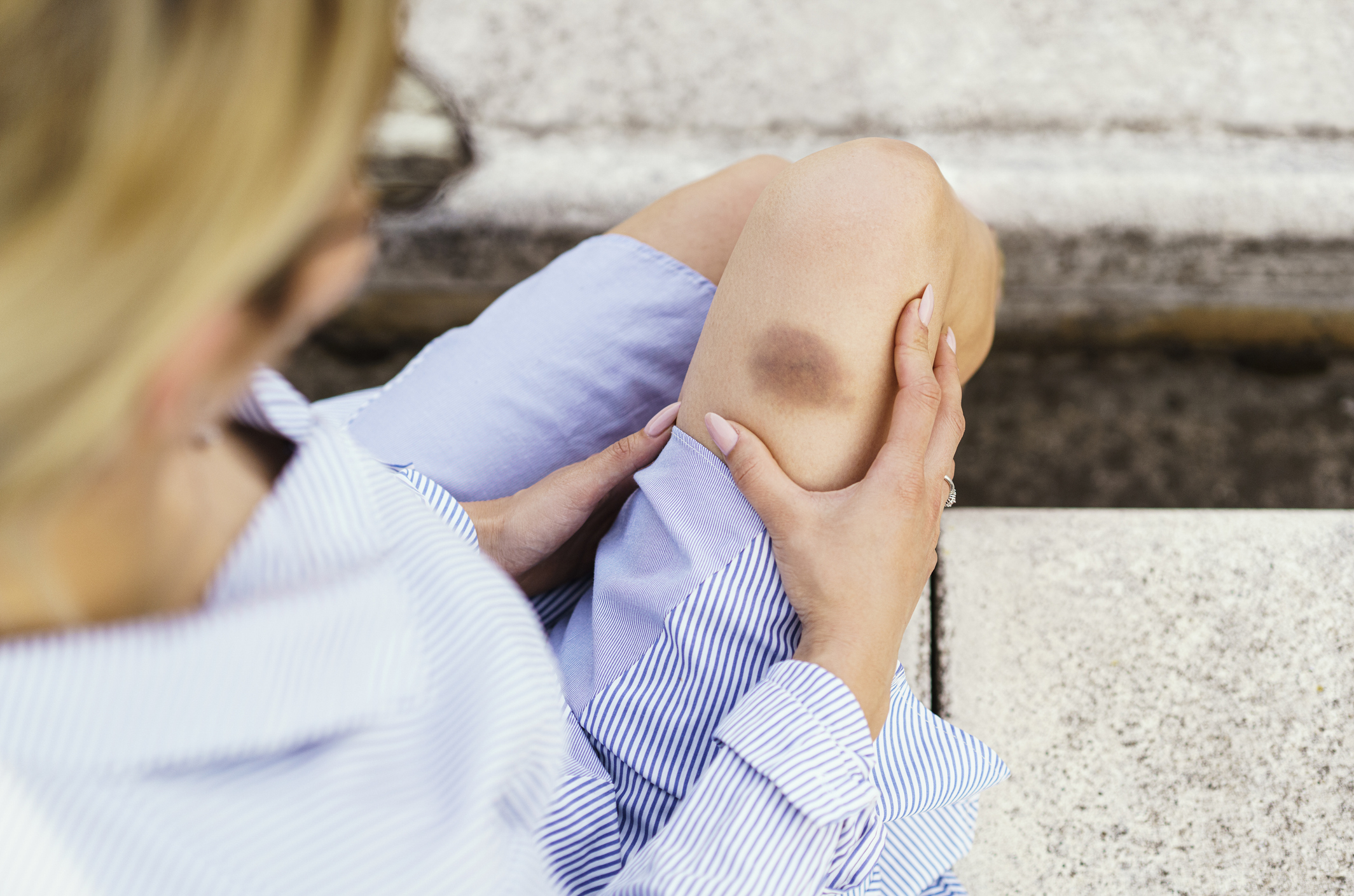
If you suddenly notice bruises for no apparent reason, this can raise many questions. Are they a sign of a serious medical condition or simply an unfortunate coincidence? Bruises are often harmless in everyday life, but they can also indicate underlying health problems – especially if they occur without any external influence.

In this article, we look at why bruises can appear on the leg or arm for no apparent reason, what they mean and how you can deal with the frequent hematomas in the case of lipedema.

What are bruises and why can they develop quickly?

Bruises, medically known as hematomas, occur when blood vessels under the skin are injured and blood leaks into the surrounding tissue. This typically happens after an impact or blow, which we often do not notice immediately. If blood clotting does not function correctly or the vessels are particularly sensitive, hematomas can occur, even with minimal external influences.

But what happens when bruises appear for no apparent reason, without being preceded by an external impact or trauma? Many sufferers ask themselves this question, especially if the bruises occur frequently and cannot be explained.

Why do bruises appear for no apparent reason?

There are many reasons why bruising can occur for no apparent reason. Some of the most common causes include:

  • Sensitive blood vessels: Some people have naturally more sensitive blood vessels that rupture more easily. This can occur particularly in older women or with certain genetic predispositions.
  • Medication: Certain medications such as blood thinners or cortisone preparations can impair blood clotting and increase the likelihood of bruising, even without an external cause.
  • Malnutrition: A lack of important nutrients such as vitamin C, vitamin K or bioflavonoids can weaken the blood vessel walls and increase the risk of hematomas.
  • Age: The likelihood of bruising increases with age. This is because the elasticity and stability of the blood vessels decreases and the skin becomes thinner.
  • Lipoedema: Women with lipoedema often report bruises that appear on the body for no apparent reason. Here, the fat cells can disrupt blood clotting and blood circulation, causing hematomas even without trauma.

In many cases, the bruises occur with minimal or no external influences, which makes the cause even more elusive.

When should you see a doctor?

If your bruising occurs frequently and for no obvious reason, or if you also experience pain, swelling or a rapid worsening of symptoms, you should definitely consult a doctor. It is particularly important for lipoedema patients to have regular medical check-ups and consultations to ensure that there are no further complications such as lymphoedema or other lipoedema complications.

Lipoedema and bruising: What to do with frequent hematomas?

If you notice bruising due to lipoedema, this can be very worrying. The lipoedema is a chronic fat distribution disorder that is often accompanied by swelling and painful, rapidly developing bruises. Hematomas develop more easily here, as the excess fatty tissue impairs blood circulation and leads to an increase in pressure in the blood vessels.

What should you do if you quickly develop bruises on your leg or arm with lipoedema?

  • Rest and cooling: Apply a cold compress to the affected area to slow down blood circulation and reduce swelling.
  • Compression: Compression stockings can help reduce pressure and normalize blood flow, which can minimize the risk of new hematomas.
  • Manual lymphatic drainage: This gentle massage technique can help to promote lymphatic fluid and reduce pressure in the tissue. It not only relieves swelling, but can also reduce the frequency of bruising in lipoedema.
  • Adapt your diet: A balanced diet, rich in vitamins and minerals (especially vitamin C and K), supports the healing of bruises and strengthens the blood vessels.

Important: A timely lipoedema diagnosis and individual lipoedema treatment are essential.

What other diseases cause bruising?

Bruising is not only a symptom of lipedema, it can also indicate other health problems:

  • Blood clotting disorders: Such as hemophilia or thrombocytopathy (disorders of the blood platelets) can lead to frequent hematomas.
  • Liver diseases: Impaired liver function impairs the production of clotting factors and can lead to bruises developing more easily.
  • Autoimmune diseases: Diseases such as lupus erythematosus or vasculitis (inflammation of the blood vessels) can increase the risk of hematomas.

If you regularly get bruises and there are no external causes (such as injuries), consult a doctor who can rule out these possible illnesses.

What you should know about bruises for no apparent reason

Bruising is not always a sign of a harmless injury, especially if it occurs quickly and for no apparent reason. Hematomas are common in lipedema patients and are often accompanied by additional symptoms such as pain and swelling. It is important to take these symptoms seriously and seek medical help if necessary.

If you are unsure whether your bruising is related to lipoedema, find out more about the typical lipoedema symptoms or take our short lipoedema test.

At LipoClinic Dr. Heck, we offer you comprehensive advice and individual treatment options to alleviate your symptoms.

If you suspect you have lipoedema, please arrange a no-obligation consultation with our experienced team. We are here for you!

FAQ - Frequently asked questions about hematomas and lipedema

What are the most common causes of bruising for no apparent reason?

Bruises occur when blood leaks from injured blood vessels under the skin. Common causes of bruising without external influence are sensitive blood vessels, medication such as blood thinners, blood clotting disorders and hormonal changes.

Women with lipoedema are more prone to bruising as the excess fatty tissue disrupts blood circulation. The blood vessels in the affected areas are often more sensitive, so that even slight pressure can lead to hematomas. Bruising occurs particularly quickly on the legs and hips, where lipoedema often occurs.

To prevent bruising with lipoedema, it is helpful to wear compression stockings that equalize the pressure in the tissue. Regular manual lymphatic drainage can also help to improve blood circulation and reduce the formation of hematomas. A healthy diet and foods rich in vitamin C strengthen the connective tissue and can reduce the risk of bruising.

If you frequently get bruises for no apparent reason or if the bruises are unusually large, you should consult a doctor. This is especially true if the bruises are accompanied by swelling, pain or other symptoms such as fatigue. A doctor can determine whether there is a blood clotting disorder or other underlying condition.

Yes, cooling compresses can help speed up the healing of bruises by reducing blood flow to the affected area. A vitamin C-rich serum or arnica ointments promote tissue healing and help the bruises fade faster.

Reviewed by Dr. med. Thomas Witte

Dr. Thomas Witte is Medical Director of LipoClinic Dr. Heck and a specialist in plastic and aesthetic surgery. With decades of surgical experience and a deep understanding of the individual needs of lipoedema patients, he is one of the leading experts in this field. His focus is on holistic, safe and empathetic care – always with the aim of restoring quality of life.

Dr. med. Thomas Witte

Medical Director
Specialist in plastic and aesthetic surgery
Specialist in surgery and hand surgeon

Generic selectors
Exact matches only
Search in title
Search in content
Post Type Selectors
Generic selectors
Exact matches only
Search in title
Search in content
Post Type Selectors