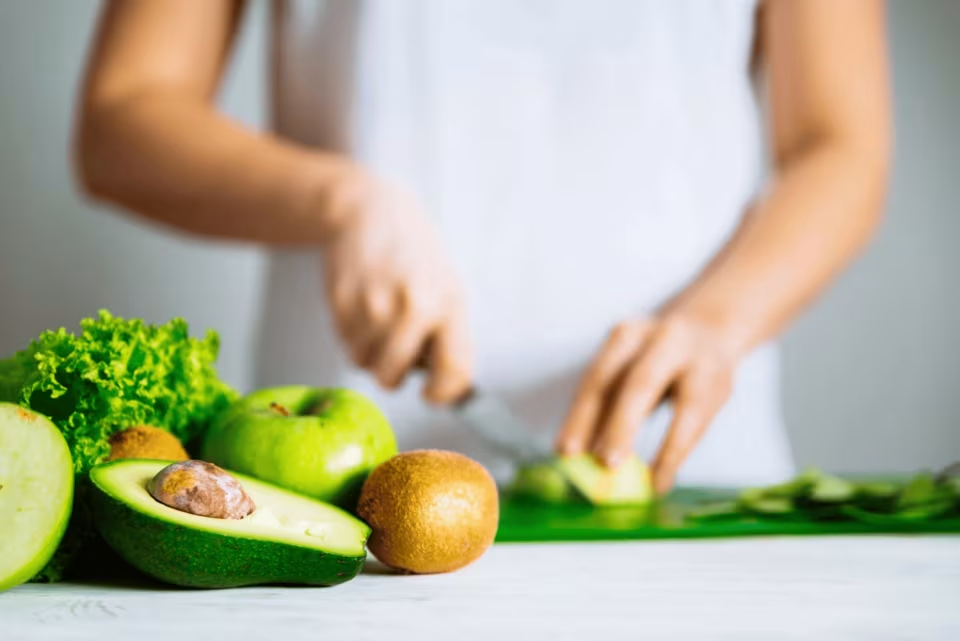

- Can nutrition cure lipoedema? No. It can alleviate symptoms, reduce inflammation and keep weight stable. However, the diseased fatty tissue does not disappear as a result.
- Which diet is recommended? An anti-inflammatory diet with plenty of vegetables, fruit, whole grains and omega-3 fatty acids, plus little refined sugar and few convenience products.
- What should you avoid? Refined sugar, highly processed foods, white flour and alcohol. Sugar promotes water retention and increases swelling.
- Which types of diet are suitable? Anti-inflammatory, sugar-reduced, ketogenic or low-protein. Which one fits depends on your symptoms and pre-existing conditions.
- Is nutrition alone enough? No. Liposuction is the only measure that permanently removes the pathologically increased fatty tissue. Nutrition supports healing and the result.
Lipoedema and nutrition: a crucial connection
The lipoedema is a chronic disease that affects the lives of many women through the pathological increase in fat and the resulting pain and swelling. Given this burden, many ask themselves what role nutrition plays.
The connection is not obvious at first glance, but it is significant: a balanced diet can help to control weight, reduce inflammation and increase overall well-being.
The right expectation is important here. Many sufferers spend years dealing with calorie counting and diets without anything changing in the affected regions. This is not a personal failure, but lies in the nature of the disease.
The pathologically increased fatty tissue in lipoedema hardly reacts to diet and exercise. An adapted diet alleviates symptoms and supports treatment, but it does not eliminate the cause.
What should you eat with lipoedema and what is better to avoid?
The following overview summarises which foods have proven effective and which can worsen symptoms.
| Recommended | Better to avoid |
|---|---|
| Vegetables in great variety, especially green leafy vegetables | Refined sugar and sugary drinks |
| Fruit with little fructose, such as berries | Convenience products and highly processed foods |
| Whole grain products instead of white flour | White flour, white bread and light baked goods |
| Omega-3 fatty acids from linseed oil, walnuts, oily fish | Trans fats from fried foods and pastries |
| High-quality protein from legumes, fish, eggs | Alcohol, it promotes water retention |
| Water and unsweetened teas, at least two litres daily | Highly salty foods |
Often it is not a single food, but hidden refined sugar in supposedly healthy products that promotes swelling and inflammatory processes. Portions that are too large or irregular food intake can also worsen symptoms.
Which types of diet are suitable for lipoedema?
There is no single right diet for lipoedema. Four approaches are most frequently discussed in practice:
| Type of diet | Principle | What it can achieve |
|---|---|---|
| Anti-inflammatory | many antioxidants, omega-3, little sugar | can reduce pain and swelling |
| Sugar-reduced | largely omit refined sugar | less water retention, more stable weight |
| Ketogenic | very few carbohydrates, fat as energy source | can reduce fat reserves and lower inflammation |
| Low-protein | less protein, more complex carbohydrates and healthy fats | can relieve the lymphatic system |
Anti-inflammatory diet
Lipoedema is often accompanied by inflammatory processes in the fatty tissue that worsen the symptoms. Foods with an anti-inflammatory effect can therefore be particularly useful. They contain antioxidants such as vitamin C, vitamin E, beta-carotene, flavonoids and polyphenols, which can neutralise free radicals and reduce inflammation in the body.
Sugar-reduced diet
Swelling and pressure pain are among the most common symptoms. Sugar reinforces both because it triggers increased water retention in the tissue. In addition, sugary foods are often high in calories and promote weight gain. It is therefore sensible to limit refined sugar, processed foods and convenience products to a minimum.
Ketogenic diet
The ketogenic diet reduces carbohydrate intake to such an extent that the body uses fat as its main energy source. This can help to reduce excess fat reserves and decrease inflammation. Initial studies show promising results here.
However, this type of diet requires careful planning and guidance, as it involves significant changes. It is not suitable for every woman.
Low-protein diet
A diet with reduced protein content puts carbohydrates and healthy fats in the foreground. This can reduce the burden on the lymphatic system and help to minimise swelling. Discuss this approach with a doctor beforehand: protein is important for muscle maintenance and wound healing, especially before and after an operation.
Which type of diet suits you depends on your symptoms, pre-existing conditions and your everyday life. Qualified nutritional advice examines your habits and creates an individual plan. This is significantly more effective than a diet from the internet.
Would you like to know if your symptoms match lipoedema? Our self-test gives you an initial orientation in just a few minutes.
More than nutrition: exercise and everyday life
In addition to nutrition, regular exercise plays an important role. Maintain an active lifestyle as far as your health condition allows. Particularly suitable are:
- Water aerobics and swimming, because the water pressure acts like gentle compression
- Yoga and gentle workouts for flexibility and relaxation
- Cycling and walking for circulation and lymph flow
To reduce weight, more intensive training is usually necessary. An individually adapted programme, coordinated with a doctor or physiotherapist, helps to find the right exercises.
Why surgery may be necessary despite an adapted diet
A healthy lifestyle and an adapted diet have a supportive effect. However, surgical treatment is the only measure that promises lasting relief. Only liposuction removes the diseased fatty tissue.
Nutrition can support the healing process and optimise the result, but it does not eliminate the cause of the lipoedema. A holistic treatment strategy consisting of conservative therapy, surgery, nutrition and follow-up care is therefore crucial.
Holistic approach of LipoClinic Dr. Heck
An adapted diet is part of the overall picture. Our advice: eat consciously, balanced and pay attention to portion size. Observe yourself and listen to your body, then you will find the form that is suitable for you.
Our team advises you on all steps, from diagnosis to surgery and follow-up care. In addition, our competence network from the fields of nutrition, compression and physiotherapy is at your disposal.
Would you like to learn more about our approach or exchange ideas with other sufferers at a LipoTalk?
FAQ – frequently asked questions about nutrition for lipoedema
You should primarily avoid refined sugar, highly processed convenience products, white flour and alcohol. Sugar promotes water retention in the tissue and thereby increases swelling and pressure pain. Highly salty foods can also promote retention. However, there is no rigid list of prohibitions; the overall picture of your diet is decisive.
No. The pathologically increased fatty tissue hardly reacts to diet and exercise. An adapted diet can alleviate symptoms, reduce inflammation and keep weight stable. It does not eliminate the cause. For that, liposuction is currently the only effective method.
Weight loss can alleviate the symptoms because additional excess weight worsens the clinical picture. However, the affected regions on the legs and arms usually hardly change. This leads to frustration for many women and is an important distinguishing feature from pure overweight.
Initial studies suggest that a low-carbohydrate or ketogenic diet can lower inflammation and help with fat loss. However, it requires careful planning and should be accompanied by a doctor or a nutritional specialist. It is not suitable for every woman.
At least two litres daily are recommended, ideally water or unsweetened teas. Sufficient fluid supports the removal of tissue fluid. Contrary to a common assumption, drinking enough does not lead to more water retention.
Statutory health insurance companies usually subsidise qualified nutritional advice if a medical certificate of necessity is available. The amount differs depending on the insurance company. Ask there before the first appointment.

Dr. Jost-Hendrik Hübner brings his diverse medical expertise in visceral surgery, proctology, nutrition and emergency medicine to lipoedema treatment. His work at LipoClinic Dr. Heck combines surgical precision with a deep understanding of metabolic and systemic relationships – particularly important in the interdisciplinary treatment of lipoedema.