

Bruises for no reason
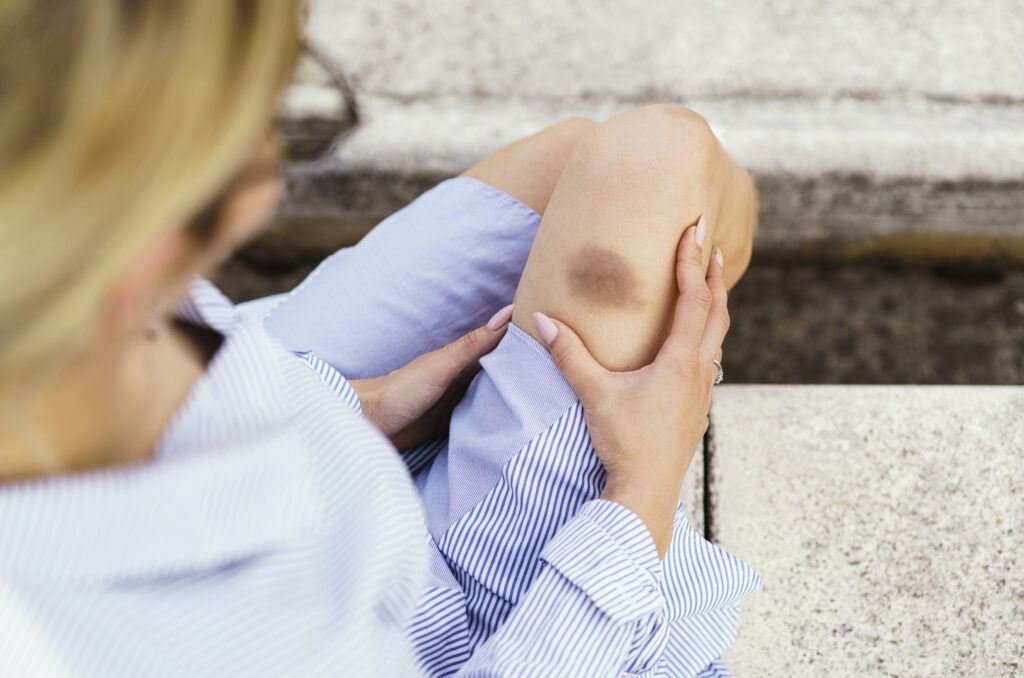
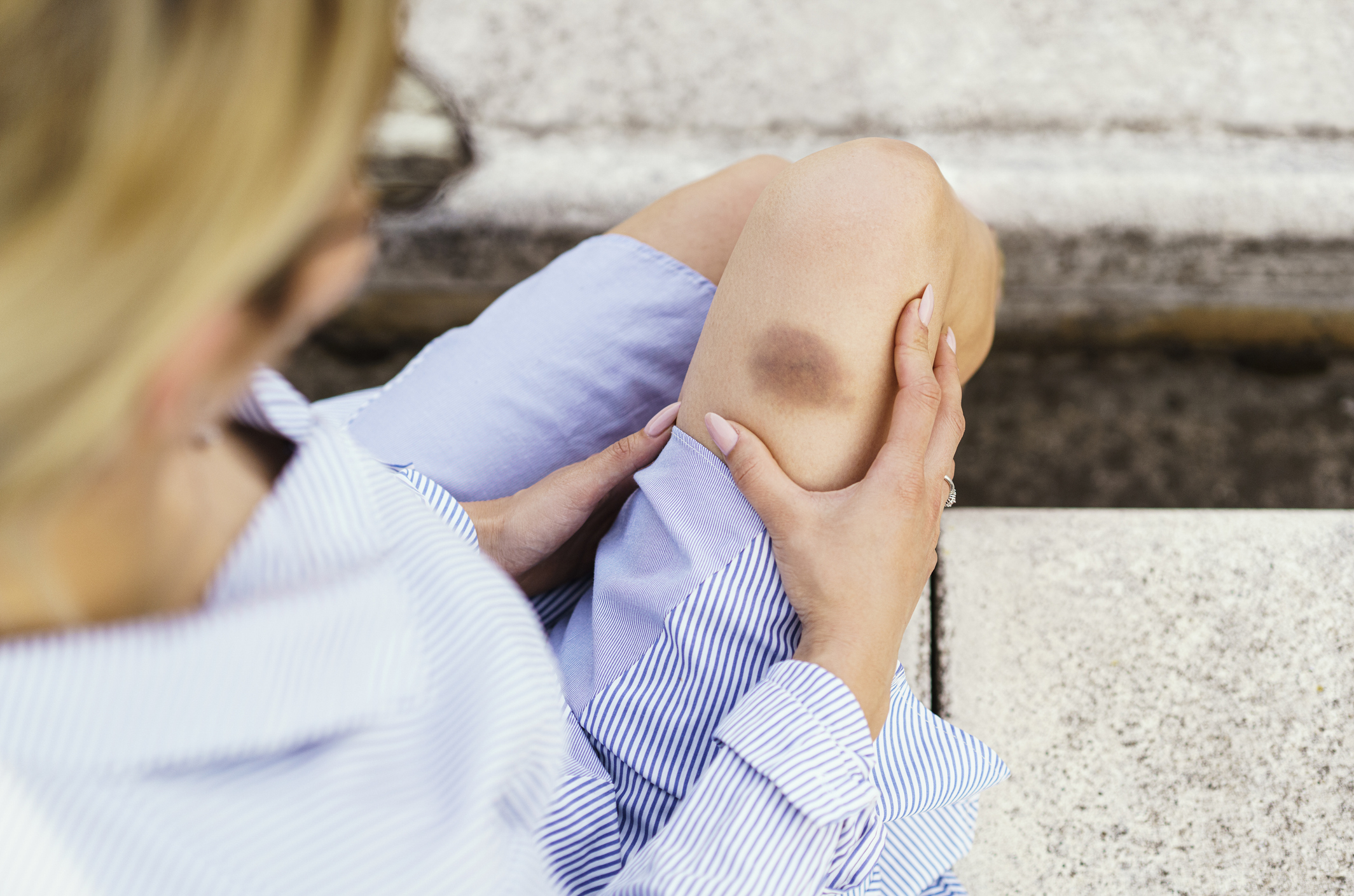
Bruises for no apparent reason: what’s behind them? If you suddenly notice bruises for no apparent reason, this can raise many questions. Are they a sign of a serious medical condition or simply an unfortunate coincidence? Bruises are often harmless in everyday life, but they can also indicate underlying health problems – especially if they occur without any external influence. In this article, we look at why bruises can appear on the leg or arm for no apparent reason, what they mean and how you can deal with the frequent hematomas in the case of lipedema. Contents: What are bruises and why can they develop quickly? Why do bruises appear for no apparent reason? Lipoedema and bruising: What to do with frequent hematomas? What other diseases cause bruising? What you should know about bruises for no apparent reason FAQ – Frequently asked questions about hematomas and lipedema What are bruises and why can they develop quickly? Bruises, medically known as hematomas, occur when blood vessels under the skin are injured and blood leaks into the surrounding tissue. This typically happens after an impact or blow, which we often do not notice immediately. If blood clotting does not function correctly or the vessels are particularly sensitive, hematomas can occur, even with minimal external influences. But what happens when bruises appear for no apparent reason, without being preceded by an external impact or trauma? Many sufferers ask themselves this question, especially if the bruises occur frequently and cannot be explained. Why do bruises appear for no apparent reason? There are many reasons why bruising can occur for no apparent reason. Some of the most common causes include: Sensitive blood vessels: Some people have naturally more sensitive blood vessels that rupture more easily. This can occur particularly in older women or with certain genetic predispositions. Medication: Certain medications such as blood thinners or cortisone preparations can impair blood clotting and increase the likelihood of bruising, even without an external cause. Malnutrition: A lack of important nutrients such as vitamin C, vitamin K or bioflavonoids can weaken the blood vessel walls and increase the risk of hematomas. Age: The likelihood of bruising increases with age. This is because the elasticity and stability of the blood vessels decreases and the skin becomes thinner. Lipoedema: Women with lipoedema often report bruises that appear on the body for no apparent reason. Here, the fat cells can disrupt blood clotting and blood circulation, causing hematomas even without trauma. In many cases, the bruises occur with minimal or no external influences, which makes the cause even more elusive. When should you see a doctor? If your bruising occurs frequently and for no obvious reason, or if you also experience pain, swelling or a rapid worsening of symptoms, you should definitely consult a doctor. It is particularly important for lipoedema patients to have regular medical check-ups and consultations to ensure that there are no further complications such as lymphoedema or other lipoedema complications. Lipoedema and bruising: What to do with frequent hematomas? If you notice bruising due to lipoedema, this can be very worrying. The lipoedema is a chronic fat distribution disorder that is often accompanied by swelling and painful, rapidly developing bruises. Hematomas develop more easily here, as the excess fatty tissue impairs blood circulation and leads to an increase in pressure in the blood vessels. What should you do if you quickly develop bruises on your leg or arm with lipoedema? Rest and cooling: Apply a cold compress to the affected area to slow down blood circulation and reduce swelling. Compression: Compression stockings can help reduce pressure and normalize blood flow, which can minimize the risk of new hematomas. Manual lymphatic drainage: This gentle massage technique can help to promote lymphatic fluid and reduce pressure in the tissue. It not only relieves swelling, but can also reduce the frequency of bruising in lipoedema. Adapt your diet: A balanced diet, rich in vitamins and minerals (especially vitamin C and K), supports the healing of bruises and strengthens the blood vessels. Important: A timely lipoedema diagnosis and individual lipoedema treatment are essential. What other diseases cause bruising? Bruising is not only a symptom of lipedema, it can also indicate other health problems: Blood clotting disorders: Such as hemophilia or thrombocytopathy (disorders of the blood platelets) can lead to frequent hematomas. Liver diseases: Impaired liver function impairs the production of clotting factors and can lead to bruises developing more easily. Autoimmune diseases: Diseases such as lupus erythematosus or vasculitis (inflammation of the blood vessels) can increase the risk of hematomas. If you regularly get bruises and there are no external causes (such as injuries), consult a doctor who can rule out these possible illnesses. What you should know about bruises for no apparent reason Bruising is not always a sign of a harmless injury, especially if it occurs quickly and for no apparent reason. Hematomas are common in lipedema patients and are often accompanied by additional symptoms such as pain and swelling. It is important to take these symptoms seriously and seek medical help if necessary. If you are unsure whether your bruising is related to lipoedema, find out more about the typical lipoedema symptoms or take our short lipoedema test. At LipoClinic Dr. Heck, we offer you comprehensive advice and individual treatment options to alleviate your symptoms. If you suspect you have lipoedema, please arrange a no-obligation consultation with our experienced team. We are here for you! FAQ – Frequently asked questions about hematomas and lipedema What are the most common causes of bruising for no apparent reason? Bruises occur when blood leaks from injured blood vessels under the skin. Common causes of bruising without external influence are sensitive blood vessels, medication such as blood thinners, blood clotting disorders and hormonal changes. Why do bruises occur with lipoedema? Women with lipoedema are more prone to bruising as the excess fatty tissue disrupts blood circulation. The blood vessels in the affected areas are often more sensitive, so that even slight
Cold legs with lipoedema
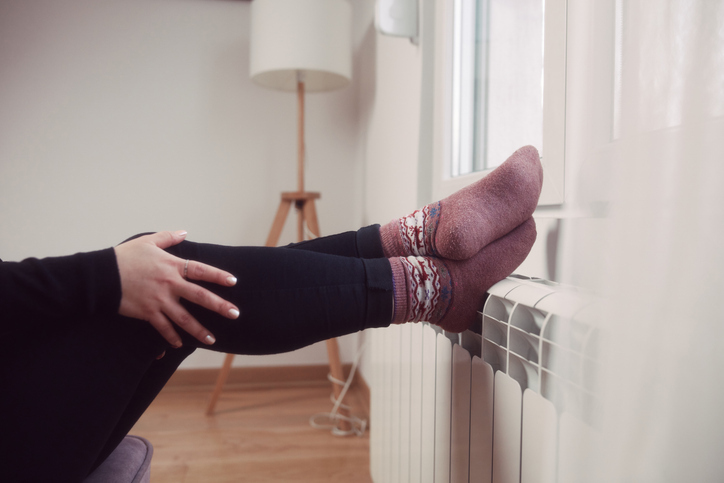
Cold legs with lipoedema: a subjective feeling with many facets Many women with lipoedema report a persistent feeling of coldness in their legs – especially in the thighs. Even if this sensation is not one of the classically described main symptoms of lipoedema, it does seem to play a role for some sufferers. What is behind this feeling? Could it be linked to lipoedema – and what can help to get your legs warm again? In this article, we shed light on what is known, what is (still) unclear – and what can help those affected. Contents: Feeling cold in the legs – is this typical of lipoedema? What helps when your legs feel cold? Conclusion: Cold legs – a common but not classic symptom Your point of contact for lipoedema complaints: LipoClinic Dr. Heck Feeling cold in the legs – is this typical of lipoedema? In the medical literature, lipedema is mainly described with symptoms such as pressure pain, feelings of tension, symmetry of the swelling and a tendency to hematomas (bruising). A feeling of coldness in the legs or thighs is not one of the main diagnostic criteria for lipoedema and has not yet been scientifically confirmed. Nevertheless, many patients report a subjective feeling of “cold legs” that are difficult to warm up. Why this feeling occurs in some people has not yet been conclusively clarified. It is possible that individual differences in temperature perception, hormonal influences or emotional factors such as stress play a role. The altered tissue condition in lipoedema could also influence the subjective sensation of warmth – but there are no reliable studies on this. What helps when your legs feel cold? Even if the causes of the feeling of cold in lipoedema patients have not yet been clearly researched, there are a number of measures that can help to increase well-being and positively influence the subjective feeling of cold. 1. movement and activation of the muscles Regular, gentle exercise has a beneficial effect on the connective tissue and lymph flow. Recommended activities are, for example Swimming and aqua fitness Cycling Nordic Walking Gentle strength training These sports promote tissue activity and can help the legs to be perceived as “warmer”. 2. compression therapy Compression garments are a central component of lipoedema treatment. It can stabilize the tissue, alleviate discomfort and is also perceived as warming by some patients. It is important that they are fitted professionally, for example by medical supply stores with experience in the treatment of lipoedema. 3. heat applications (individual) Some sufferers find applications such as warm foot baths, infrared lamps or hot water bottles pleasant. These methods can help to improve the general body sensation. However, heat applications should always be individually adapted, as some patients find heat uncomfortable. 4. lymphatic drainage Manual lymphatic drainage is a proven treatment for lipoedema. It can alleviate feelings of tension and relieve the tissue. Even if it does not specifically combat the feeling of cold, some patients report a general improvement in body sensation. 5. mindfulness & self-care Psychological factors such as stress, exhaustion or discomfort can also affect the subjective sensation of temperature. Relaxation exercises, massages, meditation or mindful body care can help you to get back in touch with your own body. Conclusion: Cold legs – a common but not classic symptom The feeling of cold legs is not a diagnostic feature of lipoedema, but it is an observation that many sufferers make. Whether and to what extent this sensation is actually related to the disease has not yet been conclusively scientifically proven. The important thing is that complaints should be taken seriously and viewed holistically. A medical consultation can help to clarify individual causes and find suitable measures. Your point of contact for lipoedema complaints: LipoClinic Dr. Heck Are you unsure whether your symptoms are related to lipoedema – or are you looking for help to alleviate your symptoms? LipoClinic Dr. Heck offers sound diagnostics and individual treatment concepts – from conservative measures to surgical therapy. Arrange your consultation now – we will accompany you on your way to a better quality of life. Note: This article is for information purposes only and does not replace medical advice, diagnosis or treatment by a doctor. If you have any health complaints, please always consult a qualified medical professional. Reviewed by Dr. med. Thomas Witte Dr. Thomas Witte is Medical Director of LipoClinic Dr. Heck and a specialist in plastic and aesthetic surgery. With decades of surgical experience and a deep understanding of the individual needs of lipoedema patients, he is one of the leading experts in this field. His focus is on holistic, safe and empathetic care – always with the aim of restoring quality of life. Dr. med. Thomas Witte Medical DirectorSpecialist in plastic and aesthetic surgerySpecialist in surgery and hand surgeon More information
Lipedema diagnosis – which doctor is the right one?

Lipedema diagnosis – which doctor is the right one? Many women feel for years that something is wrong with their body: Their legs are constantly swollen, hurt to the touch, their proportions change and no amount of exercise seems to help. At some point, the all-important question arises: “Do I have lipoedema?” And shortly after that comes the next one: “Which doctor is actually responsible for this?” Precisely because lipoedema is still often misjudged or confused with obesity, the right medical point of contact is crucial for a sound diagnosis, treatment plan and emotional understanding. In this article you will find out which doctor is the right one for lipoedema, how to find the right specialist in your area and what you should look out for when choosing a doctor. Contents: Which doctor can diagnose lipedema? LipoClinic Dr. Heck: Experts for diagnostics and consultation Which doctor for suspected lipoedema? – First steps to the right address Lipoedema doctor near you – what you should consider when choosing a doctor Diagnosis and then? Which doctors continue to accompany the lipedema treatment? Find the right lipedema doctor for you! FAQ – Frequently asked questions about financing lipedema surgery Which doctor can diagnose lipedema? Since the GBA decision of July 2025, only certain specialists may be responsible for a diagnosis recognized by the health insurance funds. These include: Specialists in internal medicine and angiology Specialists in physical and rehabilitative medicine Specialists for skin and sexually transmitted diseases (dermatology) Doctors with additional training in phlebology If you need a lipoedema diagnosis in order to apply for health insurance cover, you must contact one of these specialists. Please note: Even if family doctors or gynecologists, for example, can provide initial indications, they are no longer allowed to make an official lipedema diagnosis. LipoClinic Dr. Heck: Experts for diagnostics and consultation At LipoClinic Dr. Heck, we offer you in-depth diagnostics and personal advice from experienced lipoedema experts, even if we are unable to bill health insurance companies. As a private clinic, we accompany you on your journey: from diagnosis to possible surgery and aftercare. For patients with private health insurance or from abroad, we can of course issue written diagnoses. Which doctor for suspected lipoedema? – First steps to the right address When lipoedema is suspected, it is often associated with uncertainty and many unanswered questions. This makes it all the more important to take the right steps early on and not be discouraged. Document symptoms: Make a note of when pain, swelling or bruising occurs. Photos, daily progressions or symptom diaries can help. Research specialists specifically: Look for a lipoedema doctor in your area, ideally from one of the specialist groups mentioned above. Many of them state on their websites whether they offer lipoedema diagnostics. Make an appointment with a specialist: If possible, choose a doctor with experience in dealing with lipoedema patients – not only formally, but also with heart and understanding. Ask for clarification: Have the diagnostic process, the possible therapies (conservative and surgical) and the requirements for cost coverage explained to you. Even if the path to diagnosis can be associated with hurdles, it is a decisive step on the way to a better quality of life. Lipoedema doctor near you – what you should consider when choosing a doctor The choice of doctor is not just a question of proximity – but above all of experience and specialization. Many patients report that they were fobbed off with statements such as “You just need to lose weight” or “That’s just normal cellulite” when they first contacted their doctor. Such experiences can be hurtful and often lead to those affected withdrawing. What you can look out for: Does the doctor offer special lipedema consultations? Are there any testimonials from other patients? Is the topic treated with sensitivity and understanding? Is the practice familiar with the current GBA guidelines on diagnostics? The more familiar a doctor is with the clinical picture, the quicker you will get clarity and the feeling that you are finally being understood. Diagnosis and then? Which doctors continue to accompany the lipedema treatment? Once you have been diagnosed by the right specialist, your lipoedema treatment begins – and here too the question arises: “Which doctor will continue to treat my lipoedema?” The treatment may include: Conservative therapy: compression treatment, lymphatic drainage, exercise – usually prescribed by specialists or specialized phlebologists. Surgical therapy (liposuction): This is where experienced specialists in surgery, plastic surgery, dermatology or gynecology come into play. Topics such as a balanced lipoedema diet, lipoedema sequelae and the connection between lipoedema and the psyche should not be left out. At the LipoClinic, only highly qualified specialists with years of experience carry out liposuctions – on an inpatient basis, safely and with individual care. You will have a dedicated contact person who will accompany you from start to finish. Find the right lipedema doctor for you! The question “Which doctor really helps with lipoedema?” is absolutely justified. Because your symptoms deserve more than trivialization or misdiagnosis. Specialists with real expertise in the field of lipoedema are the right place to go. Strict guidelines apply for the health insurance company, but one thing counts above all for you: to feel seen, heard and medically competently supported. The team at LipoClinic Dr. Heck is at your side – independent of health insurance regulations, with many years of experience, clear communication and genuine commitment to your health. Would you like to know if you have lipoedema and what you can do about it? Arrange a non-binding consultation. Together we will clarify what your body is trying to tell you – and which next steps make sense. FAQ – Frequently asked questions about lipoedema doctors Is it possible to receive a lipedema diagnosis at LipoClinic Dr. Heck? Yes, we can diagnose lipedema as part of our consultation and treat you as usual. However, we no longer issue a diagnosis that is recognized by health insurance companies. An exception only applies to international patients
Lipoedema or cellulite – interpreting symptoms correctly
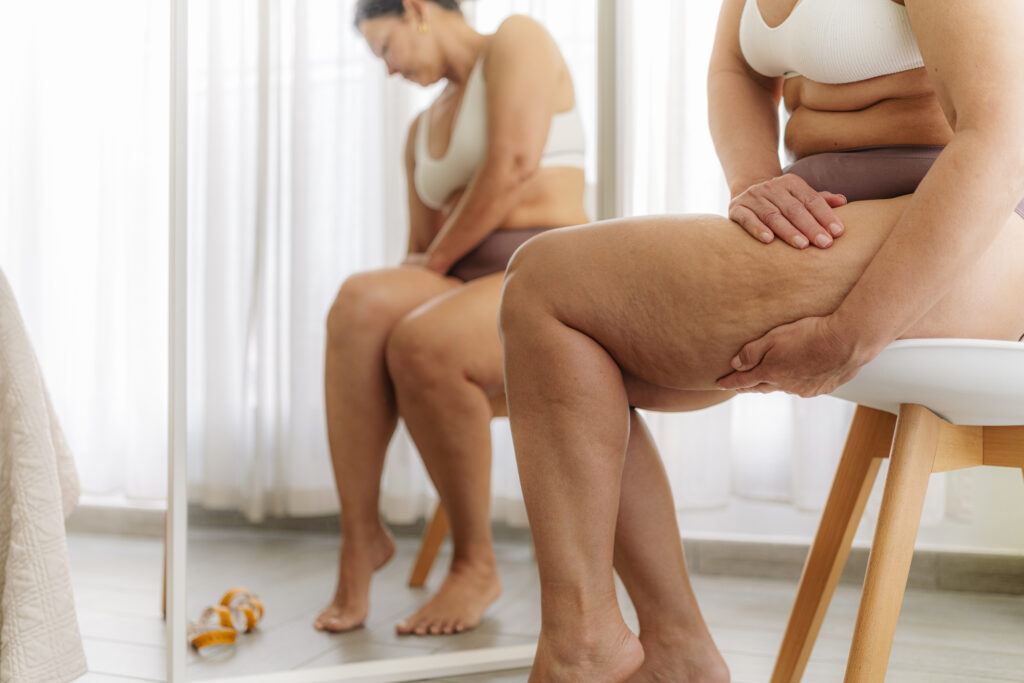
Lipedema or cellulite? How to recognize the difference Lipoedema and cellulite are often confused with each other, although they are two different conditions. Cellulite is a cosmetic skin condition characterized by dimpling and uneven fat distribution, while lipedema is a painful, chronic fat distribution disorder associated with asymmetrical fat accumulation in certain areas of the body. Cellulite can in some cases be a side effect of lipoedema, but is by no means a sure sign of it. An accurate diagnosis by a doctor is necessary to differentiate between the two conditions and determine the correct treatment. Contents: Lipedema or cellulite – how can the differences be recognized? Severe cellulite or lipedema? Lipoedema or cellulite: why it is so important to get the right diagnosis Lipoedema or cellulite – listen to your body! FAQ – Frequently asked questions about lipoedema or cellulite Lipedema or cellulite – how can the differences be recognized? Although cellulite and lipoedema may look similar at first glance, they are two completely different conditions – with equally different causes, effects and treatment approaches. In order to create clarity, it is important to differentiate between the two terms. What is cellulite – and why is it so common? Cellulite – often colloquially referred to as “orange peel skin” – affects around 80 to 90 percent of all women. It is not a disease, but a completely normal change in the connective tissue under the skin. Due to hormonal influences (especially oestrogen) and genetic predisposition, fat cells accumulate in the subcutaneous tissue and push outwards through the weaker connective tissue. The result: visible dimples, usually on the thighs, bottom and sometimes also the arms. The good news: cellulite is aesthetically disturbing but medically harmless. It causes no pain, no swelling and no inflammation. Many women perceive it as a blemish, but from a medical point of view there is no need for action. What is lipoedema – and why does it often go unrecognized? Lipoedema is a chronic fat distribution disorder that almost exclusively affects women. Unlike cellulite, lipoedema is a serious condition that can have a significant impact not only on appearance, but also on well-being and quality of life. Lipoedema is typically characterized by a symmetrical increase in fat on the legs, hips, buttocks and sometimes also on the arms. The special feature: The feet and hands are usually left out. Women with lipoedema often report sensitivity to pressure, feelings of tension, rapid bruising, pain and swelling, especially during the day or after prolonged sitting or standing. Lipoedema cannot be “trained away” through diet or exercise. Even with significant weight loss, the affected fatty tissue remains – another distinguishing feature from cellulite. All differences at a glance The following overview can help you to distinguish the typical lipoedema symptoms from the characteristics of cellulite: Characteristic Cellulite Lipedema Medical classification Harmless, cosmetic Chronic disease Affected areas Mostly thighs, buttocks Legs (symmetrical), possibly arms Pain No Yes, often pressure-sensitive and painful Swelling No Yes, increasing during the day Bruises Rare Frequent, even with slight contact Hands/feet affected Yes (slight dents possible) No, usually remain slim Change through sport/diet Improvement possible No or only slight change If you ask yourself: “Do I have lipoedema or cellulite?”, it is important to pay attention to the physical symptoms. Pain, feelings of tightness, visible disproportionate body changes or an increasing restriction in everyday life are warning signs that you should take seriously. Severe cellulite or lipedema? A common misconception is that severe cellulite is automatically an indication of lipoedema. This is not the case. Slender women can also develop lipoedema and not every “strong orange peel skin” immediately indicates a disease. The decisive factor is not only the appearance, but also the symptoms. Particularly in the early stages of lipoedema, the condition is difficult to recognize and is often misinterpreted as persistent cellulite. So if you suffer from severe symptoms that go beyond the visual appearance, it is worth consulting a doctor – because the earlier lipoedema is recognized, the better it can be treated. Lipoedema or cellulite: why it is so important to get the right diagnosis Untreated lipoedema can progress – from mild symptoms to severe restrictions in movement, psyche and quality of life. Many women report a long ordeal before the correct lipoedema diagnosis is finally made. This is why it is so important to differentiate between lipoedema and cellulite at an early stage. An accurate diagnosis can only be made by experienced specialists – ideally in a specialized clinic such as LipoClinic Dr. Heck, which is dedicated exclusively to the clinical picture of lipoedema. What to do if lipedema is suspected? If you suspect that you have lipoedema, you should take the following steps: 1. observe and document symptomsPay attention to pain, swelling, tenderness and changes over the course of the day. A symptom diary can be helpful. 2. seek specialist clarificationLook specifically for a specialist practice or clinic with experience in lipoedema diagnostics. 3. don’t be discouragedUnfortunately, lipoedema is still often overlooked or confused with obesity. Keep at it and get a second or third opinion if necessary. 4. take advantage of a consultationAt the LipoClinic, we offer you a comprehensive consultation – including diagnostics, treatment planning and personal support along the way. Even if there is no clear diagnosis yet, it is important to feel that you are being taken seriously. Every woman has the right to obtain a well-founded assessment – the earlier, the better. Lipoedema or cellulite – listen to your body! Whether you have lipoedema or cellulite, the crucial question is not just how your body looks, but how it feels. While cellulite is purely cosmetic and does not cause any discomfort, lipoedema is usually accompanied by clear symptoms and restrictions. If you suffer from pain, swelling, tenderness or a body sensation that does not improve despite exercise and a healthy diet, it is worth thinking outside the box – and above all: talking to a specialist doctor. LipoClinic Dr. Heck has been
Cost coverage for lipoedema: all information at a glance

Cost coverage for lipoedema: information on the GBA ruling 2025 The issue of cost coverage for lipoedema is of great importance to many sufferers. For years, liposuction was a self-pay service for most sufferers, especially in stages 1 and 2. With the GBA decision of July 17, 2025, the prospect of cost coverage by health insurance companies for an extended group of patients was made possible under certain conditions. But what does this mean in concrete terms? Who can benefit from cost coverage and what hurdles still exist? We at LipoClinic Dr. Heck would like to give you an overview, take away your uncertainties and at the same time show you what options you have as a patient. Contents: The GBA resolution of 17.07.2025 These requirements must be met for the health insurance company to cover the costs Why is the current situation so challenging for patients? The right choice of clinic is crucial for lipoedema treatment Create clarity and make self-determined decisions about treatment and cost coverage FAQ – Frequently asked questions about financing lipedema surgery The GBA resolution of 17.07.2025 Many women have been fighting for years for lipoedema to be recognized and for the costs of liposuction to be covered by health insurance companies. The decision of the Federal Joint Committee ( GBA ) on July 17, 2025, according to which health insurance companies could soon cover lipoedema surgery as a health insurance benefit under certain conditions, initially caused great joy among all those affected – a very important step for us too, as we have been doing educational work as a specialized clinic for lipoedema for over 10 years. However, a closer look at the conditions for such cost coverage triggers numerous questions, which we would like to clarify for you below. These requirements must be met for the health insurance company to cover the costs In order for liposuction to be covered by health insurance, several conditions apply: The BMI should be below 32. If the BMI is between 32 and 35, the waste-to-height ratio is also checked. There must be no weight gain in the six months prior to the indication. The diagnosis may only be made by specialists with a special license (e.g. specialists in plastic, reconstructive and aesthetic surgery, other specialists in the field of surgery and specialists in skin and sexually transmitted diseases). Conservative therapy (compression, exercise, lymphatic drainage) must be carried out for at least six months between diagnosis and surgery. These regulations are intended to ensure that liposuction is medically justified – but mean that patients who have already received their diagnosis from another specialist have to start from scratch and patients with a BMI >35 kg/m² are excluded from cost coverage. This can not only be time-consuming for many patients, but also a psychological challenge. Why is the current situation so challenging for patients? The aim of the GBA decision is to make lipoedema treatment more accessible for those affected. On closer inspection, however, the reality is much more complex: Limited choice of diagnosticians The limited choice of specialists who are allowed to make a lipoedema diagnosis recognized by the health insurance funds is a major challenge. How long did you wait for your diagnosis or the long-awaited appointment with a specialist? It is not uncommon for the diagnosis to fail due to the doctors’ lack of knowledge and for lipoedema not to be correctly diagnosed for years. In addition to the lack of knowledge, you can also expect long waiting times, as the group of diagnosticians in Germany is very small. This problem also affects women who have already received a lipoedema diagnosis from a private doctor. This does not count towards health insurance coverage, so a new diagnosis by one of the licensed specialists is necessary. This further delays the already long journey to a pain-free life. The dual control principle But this is not the end of the bureaucratic process. According to the so-called four-eyes principle, in addition to the diagnosis by a licensed doctor, the surgeon must also provide an indication, i.e. the official justification for the procedure. Both steps must be carried out at least six months apart, during which conservative therapy (compression, exercise, lymphatic drainage) must be continued. In addition, there must be no weight gain during this time – otherwise there is a risk of loss of approval for cost coverage by the insurance company. Licensing requirement for operators Not every doctor is allowed to operate on lipoedema at health insurance costs. Those who have already performed liposuctions in the past must provide evidence of at least 50 operations. New surgeons only need 20 operations within two years. Liposuction for lipoedema differs fundamentally from aesthetic procedures in terms of technique and objectives. Expertise and routine are crucial for a safe and lasting result – especially with this complex disease. Waiting times and limited capacities Realistically, only a small proportion of affected patients will benefit from liposuction as a statutory health insurance benefit. In Germany, it is estimated that around 2.6 million women are affected by lipoedema. At the same time, there are probably only around 50 clinics that are allowed to offer this operation at health insurance costs. This theoretically corresponds to over 50,000 patients per clinic – a mathematical overload that will lead to enormous waiting times. The right choice of clinic is crucial for lipoedema treatment As a specialized private clinic, we operate independently of health insurance regulations. This means You do not have to worry about long waiting times. After a consultation, the operation can often be performed within a few weeks. You will be treated exclusively by specialists with decades of experience in the field of lipoedema. We only perform inpatient procedures to ensure your safety. Every patient stays with us for at least one night for monitoring. Our experience shows that patients appreciate the clear procedure, the personal care and the high quality standards – precisely because the financing of lipoedema surgery by a health
Lipedema tips
Lipedema tips for your vacation: How to make your time out a success! Sun, beach and light clothing – what for many is the best time of the year can also be a phase full of uncertainties and challenges for women with lipoedema. This is because the chronic fat distribution disorder not only causes physical discomfort, but also has an emotional impact on the vacation experience. The good news: with the right strategies and targeted lipedema tips, your vacation can be a relaxing and beneficial time. In this article, we would like to support you with empathetic advice and helpful tips on traveling with non-operated lipedema. Contents: Planning is everything: preparing for a vacation with non-operated lipoedema Choose the right destination Comfortable arrival with Plan B Pay attention to your own rhythm The suitcase: what not to miss on vacation with lipedema Staying active on vacation with lipoedema – but the right way Traveling with lipoedema: our tips for nutrition Liposuction before or after vacation with lipedema? Enjoy your vacation with the lipoedema tips from LipoClinic Dr. Heck! Planning is everything: preparing for a vacation with non-operated lipoedema The better prepared you are, the more relaxed you can enjoy your trip with lipoedema in summer. Careful planning and the right lipoedema tips will help you to minimize physical discomfort and start your time away mentally refreshed. Choose the right destination Not every vacation destination is equally suitable for women with lipoedema. Regions with very high temperatures in particular can have a negative impact on well-being: Heat can exacerbate lipoedema symptoms and put additional strain on the circulation. Our lipoedema tip is therefore to choose destinations with a mild climate, e.g. in the mountains, by the sea or in more northerly regions. A pleasant bonus: physical activity is easier in temperate regions, be it walking, hiking or swimming. Comfortable arrival with Plan B Whether by plane, train or car – long journeys can be stressful for women with lipoedema. It is therefore important to choose the most comfortable and safest option for yourself in advance. If you are flying, you should make sure you are sitting comfortably, drink enough water and never do without compression garments. For train or car journeys, take regular breaks to stand up, stretch and stimulate your circulation. If possible, bring a small cushion or footrest with you to support a more comfortable sitting posture. Pay attention to your own rhythm Perhaps the most important lipoedema tip of all: don’t plan your vacation according to other people’s ideas, but according to your own needs. If you know that you have more energy in the morning, then plan excursions early in the day. If you feel more comfortable in nature than in busy tourist centers, consciously choose quiet places. Free yourself from the expectation that you have to “do everything” on vacation. Your trip can and should be designed in such a way that it is good for you physically and mentally. The suitcase: what not to miss on vacation with lipedema The right equipment is crucial so that you can enjoy your vacation carefree. These lipoedema tips for your suitcase will make packing easier: Compression garments in multiple versions: Take your usual compression garments with you – preferably in duplicate in case you need to wash them. Wide, breathable clothing: avoid tight jeans or synthetic fabrics. Light dresses, tunics or airy linen pants are ideal. Comfort shoes and soft sandals: Make sure they have good cushioning and fit – especially for longer walks or city tours. Cooling options for on the go: small cool packs or a cooling spray fit in every handbag and provide relief from heat spikes. Your suitcase should not only be functional, but also give you a sense of security and self-care on your journey. Staying active on vacation with lipoedema – but the right way Finally arrived – now it’s time to switch off, enjoy and recharge your batteries. But women with lipoedema in particular often ask themselves: how much activity is really good for me? The answer lies in being mindful of your own body. Exercise is not only allowed, it is highly recommended. Our lipoedema tip is gentle activities that are easy on the joints. They promote blood circulation and help to get the lymph flow going. Walks in nature, walking barefoot in the sand, swimming in the sea or light aqua aerobics often work wonders. The compression effect of the water has a similar effect to lymphatic drainage: the buoyancy in the water relieves the tissue, while the movement boosts the metabolism – an ideal combination to counteract swelling and heaviness in the legs. Cycling on flat routes or yoga can also be a beneficial alternative to keep moving without overstraining the body. The important thing is to listen to your inner voice. If you feel that your legs are tired or swelling painfully, consciously take time to rest. Find a shady spot, put your legs up or treat yourself to a cooling break in the water. Small rituals such as a leg massage in the evening or applying cooling lotion can help to restore your well-being after an active day. The rhythm of the day also plays an important role. Use the cooler morning hours for exercise when the sun is not yet too strong. In the midday heat, on the other hand, it is advisable to avoid physical activity and instead plan periods of rest. A book by the pool or a nap in the hammock – this is also part of a healthy level of activity and relaxation. Traveling with lipoedema: our tips for nutrition You often eat differently on vacation – but there are also some lipedema tips to help you: Avoid water retention: Make sure you eat a low-salt diet, plenty of fresh fruit and vegetables and drink enough water. Cooling from the inside: Watermelon, cucumber, mint and lemons not only have a refreshing effect, but also help to drain the body. No
Skin care liposuction

Gentle skin care after lipoedema liposuction After liposuction as part of lipoedema treatment, many patients not only enter a new phase physically – the skin now also needs special attention. This is because the procedure, the compression treatment and the altered tissue put a lot of strain on the skin. Many patients report dryness, feelings of tightness or sensitive skin. A well-coordinated skin care regimen after liposuction can help to strengthen the natural skin barrier, alleviate irritation and improve general well-being. Contents: Why is skin care so important after lipoedema liposuction? What many patients experience – and why you are not alone Tips for everyday skin care after liposuction Natural skin care after liposuction: Interview with das boep Skin care for lipoedema – less irritation, more regeneration Why is skin care so important after lipoedema liposuction? After lipoedema treatment, the skin often reacts more sensitively than usual. Wearing flat-knit compression garments, swelling and wound healing can lead to irritation, dryness or itching. Flat-knit compression garments for lipoedema in particular fit snugly against the skin. Many patients report that this causes them to struggle with severe itching, pressure points or very dry skin – especially in sensitive areas such as the groin, back of the knees or abdomen. Adapted, non-irritating skin care can provide targeted support after liposuction to strengthen the skin barrier and reduce the feeling of tightness. The important thing is: Avoid aggressive or potentially irritating ingredients Nourish the skin with moisturizing, lipid-replenishing components Care products are best applied in the morning and evening – ideally after showering Always consult the medical team in case of uncertainty Patience and attentiveness are crucial in this phase – every skin reacts differently to the healing process. What many patients experience – and why you are not alone The time after liposuction is not only physically challenging, lipoedema and the psyche are also closely linked. Many patients report that they feel insecure when their skin is suddenly very tight, itchy or reddened. The tight-fitting compression garments are also often perceived as uncomfortable in everyday life – especially in the first few weeks after the procedure. If you feel the same way, we would like to tell you that you are not alone. These reactions are completely normal – and can also take up emotional space. This makes it all the more important to treat yourself with patience and care during this phase. Small, regular skincare rituals not only help your skin – but also give your well-being new strength. Gentle skin care after liposuction is much more than a routine – it is an act of self-care. Tips for everyday skin care after liposuction Regardless of specific products, there are some general tips that patients can follow after lipoedema liposuction: Showering instead of bathing – and only with lukewarm water Do not rub, but dab gently Care products are best applied to slightly damp skin No massages or rubbing without approval from the medical team In case of new reactions: Discontinue use of the product and consult a dermatologist if necessary You can also support your body in your everyday life with a balanced and anti-inflammatory diet for lipoedema. Natural skin care after liposuction: Interview with das boep In collaboration with das boep, a manufacturer of certified natural cosmetics, we provide insights into a gentle skin care routine after liposuction. Transparency notice: This article was created in editorial cooperation with das boep – without remuneration or product placement. It is for information purposes only and does not replace medical advice. We spoke to the das boep team about what is important when it comes to skin care – especially after liposuction – and which ingredients have proven particularly effective. LipoClinic: Why are natural cosmetics particularly suitable for sensitive skin after liposuction? the boep: After an operation, the skin is particularly receptive and sensitive. Natural cosmetics are usually free from synthetic fragrances, mineral oils, silicones and microplastics. Instead, high-quality, natural oils such as almond oil, jojoba oil or shea butter are used to soothe and care for the skin – without any additives that could irritate the skin. LipoClinic: What should I pay particular attention to after liposuction when it comes to skin care? the boep: The most important thing is: less is more. Products should have a short, clear list of ingredients and should not contain any drying or heavily perfumed ingredients. Alcohol or essential oils can also irritate the skin – especially if it is still sensitive. Skin care for lipoedema – less irritation, more regeneration The skin has special needs after lipoedema liposuction. Mild, well-tolerated cosmetic products – such as those from natural cosmetics – can be used to gently support regeneration. It is important that skin care for lipoedema does not irritate, but soothes. LipoClinic Dr. Heck is the world’s leading clinic for lipoedema diagnosis and surgical treatment. With many years of experience and a holistic approach to therapy, we offer you comprehensive support – including skin care after liposuction. Our specialized team will accompany you on your individual path! We would like to thank the das boep team for their expert input on this important topic. The boep (2025): Sun protection for lipoedema: Why it is particularly important after liposuction. (https://dasboep.de/blogs/news/sonnenschutz-bei-lipodem-nach-der-liposuktion) The boep (2025): Lipoedema – basic cream for skin care after liposuction. (https://dasboep.de/blogs/news/lipoedem-hautpflege-mit-med-basiscreme) Reviewed by Dr. med. Thomas Witte Dr. Thomas Witte is Medical Director of LipoClinic Dr. Heck and a specialist in plastic and aesthetic surgery. With decades of surgical experience and a deep understanding of the individual needs of lipoedema patients, he is one of the leading experts in this field. His focus is on holistic, safe and empathetic care – always with the aim of restoring quality of life. Dr. med. Thomas Witte Medical DirectorSpecialist in plastic and aesthetic surgerySpecialist in surgery and hand surgeon More information
Lipedema compression

Lipoedema and compression: why it is essential Lipoedema is a chronic disease that mainly affects women and is characterized by a painful fat distribution disorder. The right compression plays a central role in lipoedema treatment and can significantly improve your quality of life. Whether flat knit or round knit, stockings or tights – the choice of compression garments is large and many women are faced with the question of which is the right one. In this article, you will learn everything you need to know about compression for lipoedema, the differences between flat-knit and circular-knit compression underwear and practical tips for everyday life. Contents: Why is compression so important for lipoedema? Flat knit or circular knit – what is the right choice for lipedema? Compression for the arms in lipoedema: often overlooked but crucial Everyday life with lipoedema with compression: tips for more comfort Fashion and styling: Stylish despite compression with lipoedema LipoClinic Dr. Heck: Flat knit compression as an indispensable component of lipedema therapy Why is compression so important for lipoedema? Compression is a fundamental component in the treatment of lipoedema, as it has several positive effects on the affected tissue. The targeted pressure improves lymphatic drainage and reduces the accumulation of fluid in the tissue. This leads to a noticeable alleviation of typical symptoms such as a feeling of tightness and pressure pain. Compression also supports the return flow from the veins and lymph vessels – even at rest, 50% more fluid flows back out of the legs. Compression therapy is particularly effective in combination with exercise, as the muscles then also work against the compression material, thus increasing decongestion. Even if compression cannot cure lipoedema, it makes a decisive contribution to alleviating the symptoms of lipoedema and improving the quality of life of those affected. Flat knit or circular knit – what is the right choice for lipoedema? Flat knit and circular knit products differ in terms of their manufacture and area of application. While circular knit products provide milder compression and are used in particular for venous disorders (varicose veins), flat knit products allow more precise adjustment to individual needs, which is particularly important for lipoedema. Flat knit compression is always made to measure in order to achieve the best possible compression for you. After lipoedema surgery, especially in the first few weeks of healing, flat knit is particularly valuable as it provides targeted compression in the various affected areas such as the thighs, hips and calves. This precise distribution of pressure not only promotes the removal of swelling and fluid, but also stabilizes the newly formed tissue and supports healing. Flat knit products are therefore ideal for securing the post-operative result in the long term by reducing the formation of haematomas and lymphatic congestion and optimizing blood circulation and lymphatic drainage. At the LipoClinic, we therefore rely on flat knitting to offer our patients a particularly effective and individually tailored therapy. Compression for the arms in lipoedema: often overlooked but crucial In addition to compression stockings, compression of the arms is also an important part of lipoedema treatment. Special compression sleeves, also known as boleros, exert targeted pressure on the tissue and support lymph drainage. You can obtain these from us in conventional sizes after the arm operation. Compression therapy for the arms is often carried out in combination with manual lymphatic drainage to enhance and prolong the effects of the treatment. Modern compression sleeves are not only medically effective, but are also available in different colors and designs, which makes daily use of the therapy easier. After an operation, however, the use of round knit boleros is possible. As the removal of swelling from the arms is much easier and quicker, a circular knit garment is sufficient in most cases. Everyday life with lipoedema with compression: tips for more comfort The daily routine with compression for lipoedema can be challenging at first, but can be managed well with the right strategies. The best time to put on the compression is directly after getting up in the morning, when the swelling is still minimal. Take advantage of this moment, as this is when the compression is easiest to put on. Practical tips for dressing and undressing: Use rubber gloves for a better grip Use dressing aids such as sliding socks or butlers Do not apply cream to the skin beforehand, as this makes dressing more difficult Proper care is essential for all-day comfort. Ideally, you should wash your compression garments every day or at least every other day. This maintains the elasticity and extends the life of the materials. For optimum comfort in everyday wear: Wear the compression consistently during the day Ensure a wrinkle-free fit Check the fit regularly Have yourself re-measured every 6 months Compression is particularly important during sporting activities, as the combination of movement and compression also supports decongestion in lipoedema. Choose breathable materials and make sure you drink enough fluids. If your circumference changes due to weight loss or after liposuction, you are entitled to a new pair of flat knit trousers. Do not hesitate to contact your trusted medical supply store. Remember: optimally fitting compression is the key to successful treatment for lipoedema. Fashion and styling: Stylish despite compression with lipoedema Compression garments and fashionable style do not have to be mutually exclusive. Many manufacturers now offer a wide range of colors, patterns and designs that make it possible to integrate compression therapy into everyday life in style. Choose compression stockings in trendy colors or with modern patterns that match your wardrobe. This allows you to make your compression not only functional, but also aesthetically pleasing. For special occasions, there are elegant compression stockings that are made with fine fabrics and inconspicuous seams so that they can be worn discreetly under festive clothing. When choosing clothing, make sure that it is not too tight to avoid pressure points and increase comfort. Soft, flowing fabrics and casual cuts are particularly suitable for concealing compression and adding fashionable accents at
Lipedema pregnancy

Lipoedema and pregnancy: what you should know Pregnancy is a special time for every woman, full of anticipation and change. The body undergoes a fascinating transformation in order to provide optimal conditions for the growing baby. However, women with lipoedema often have additional concerns and questions during pregnancy. Understandably, they are concerned about how the hormonal changes could affect their fat distribution disorder. Will the lipoedema get worse? Will the pain increase? What is the best way to alleviate the symptoms during pregnancy? In this article we would like to provide you with important information and answer your most frequently asked questions on the subject of “Lipoedema and pregnancy”. Contents: Before, during and after pregnancy: what is lipoedema? How does pregnancy affect lipoedema? Can lipedema be triggered by pregnancy? Treatments for lipoedema during pregnancy Treatment of lipoedema before a planned pregnancy Treating lipoedema after pregnancy LipoClinic Dr. Heck: Pregnancy and lipedema – a challenge that can be overcome Before, during and after pregnancy: what is lipoedema? Lipoedema is a chronic, progressive disease of the fatty tissue that almost exclusively affects women. It is characterized by a symmetrical increase in subcutaneous fatty tissue on the legs, hips and arms. Those affected suffer from sensitivity to touch, feelings of tension and pain in the affected areas of the body. Even slight bumps can cause bruising. The fact that even the strictest diets and intensive exercise have hardly any effect on the abnormal fat deposits is particularly distressing. This distinguishes lipoedema fundamentally from normal obesity. Around one in ten women is affected by this fat distribution disorder, although lipoedema is often diagnosed at a late stage. Lipoedema is often misinterpreted as simply being overweight, which places an additional psychological burden on those affected. How does pregnancy affect lipoedema? Hormonal changes during pregnancy can have an impact on existing lipoedema. During pregnancy, the hormones oestrogen and progesterone increase massively. In some women, this hormonal change can lead to an increase in the volume of fatty tissue and thus intensify the typical lipoedema symptoms such as pain and tightness in the affected areas of the body. Further water retention due to dilation of the venous system can lead to more severe swelling and leg pain in addition to lipoedema. Existing cellulite and spider veins can also become more prominent. However, this does not always have to be the case: Around half of all sufferers do not experience any worsening of their lipoedema symptoms during pregnancy. Can lipedema be triggered by pregnancy? Yes, it has been observed that pregnancy can actually trigger lipoedema for the first time. The fat distribution disorder often occurs during phases of hormonal change – be it during puberty, pregnancy or the menopause. Although the causes of lipoedema have not yet been clarified, scientific findings strongly suggest a connection with the female hormone system. Lipoedema is often initially overlooked or confused with normal weight gain during pregnancy. Interestingly, the clinical picture of lipoedema can develop differently with each pregnancy – while there may be no symptoms during the first pregnancy, they may well occur or worsen with subsequent pregnancies. In many women, the progression of lipoedema does not occur during pregnancy, but often some time after the postpartum period. Treatments for lipoedema during pregnancy The treatment of lipoedema during pregnancy should be optimized and individually adapted in addition to normal prenatal care. Although surgical interventions are not possible during this time, there are various conservative treatment approaches that can effectively alleviate your symptoms. Conservative therapy An important pillar of lipoedema treatment during pregnancy is consistent decongestive therapy. This includes Regular exercise Wearing compression stockings Manual lymphatic drainage, if it is good for you Gentle but regular exercise A balanced diet The compression garment should be continued during pregnancy. However, due to the growing baby bump, it will be necessary to adjust the fitting more frequently. Take particular care to ensure that the compression stockings do not cut in and are comfortable to wear. Movement therapy Sufficient exercise plays an important role in every pregnancy! If your pregnancy is going smoothly, stay active and continue with your favorite sport. If you haven’t integrated much exercise into your daily routine so far, now is a good time to start. There are numerous options – from gymnastics, fitness and yoga to dancing or running. Exercise in water is particularly beneficial: swimming and aqua aerobics are easy on the joints, promote lymph flow and blood circulation and relieve the feeling of heaviness or tension in the legs and arms. Even in the later weeks of pregnancy, water sports remain a pleasant and effective form of exercise, for which there are many special offers. Pay attention to your body’s signals – it will show you what is good for you! Dietary recommendations A balanced, nutritious diet is important in every pregnancy, which also has a positive effect on lipoedema. Important here are: Plenty of fruit and vegetables for important vitamins and minerals Sufficient proteins for tissue stability Healthy omega-3 fatty acids and folic acid (even before pregnancy) Reduction of highly processed foods and sugar Adequate fluid intake (approx. 2-3 liters daily) Make sure you gain a healthy amount of weight during your pregnancy. Your obstetric team will be on hand to advise you, provide you with comprehensive support and ensure that both you and your child are doing well. Focus on a balanced, nutritious diet for lipoedema that meets both your needs and those of your unborn child. Regular medical check-ups During pregnancy, close support from your team of doctors and/or midwives is important. In addition to monitoring the pregnancy as part of maternity care, the progression of your lipoedema can also be monitored. Regular checks should be carried out: The course of lipoedema The effectiveness of conservative therapy Fitting the compression garment Please note that every pregnancy is individual. What works well for one patient may not necessarily be suitable for another. Seek advice from your doctor to find the best combination of treatments for
Lipedema legs

Lipedema on the legs: when the legs become a burden Do your legs feel heavy and painful, as if they don’t fit your body? Do they seem disproportionately fat, no matter how much exercise you do or how strictly you diet? Then lipedema could be the reason. In this article, we would like to provide you with comprehensive information on the topic of “lipedema of the legs” and show you that you are not alone with your symptoms. Contents: Recognizing lipedema on the legs: What is lipedema? Lipedema or just fat legs? How to recognize the difference Lipedema: from the thighs to the calves Lipedema on the legs: criteria and diagnosis Treatment of lipedema on the legs LipoClinic Dr. Heck: We treat your lipedema on your legs! Recognizing lipedema on the legs: What is lipedema? Lipoedema is a chronic disease that almost exclusively affects women. It is a fat distribution disorder in which an increased amount of abnormal fatty tissue accumulates on the legs and arms. This accumulation of fat can only be reduced to a limited extent by dieting or exercise. Lipedema on the legs is characterized by a symmetrical increase in fat that typically extends to the ankles, while the feet are not affected. The fat distribution disorder can also occur on the buttocks and hips. It is important to emphasize that lipedema is not just a visual problem, but a medical condition that can be associated with significant physical and psychological discomfort and limitations. Lipedema or just fat legs? How to recognize the difference Differentiating between lipoedema and simply overweight legs is often challenging. However, there are some characteristic symptoms of lipoedema that can help with differentiation: Symmetry: Lipedema usually occurs symmetrically on both legs. Disproportionate body shape: With lipedema on the legs, there is often a clear difference in size between the upper and lower body. Those affected often have a slim upper body, while the legs appear increasingly disproportionate. Pain: A key distinguishing feature is pain. Lipedema patients often suffer from pressure and touch pain in the legs, which is not the case with ordinary obesity. Reaction to diet and exercise: While ordinary excess weight can be reduced through diet and exercise, the fat accumulations in lipedema largely persist despite these measures. Tendency to bruise: Lipedema patients have an increased tendency to bruise, even without an identifiable cause. It is important to note that lipedema and obesity can also occur at the same time. In such cases, an accurate diagnosis of lipedema by a doctor is particularly important in order to develop the right treatment strategy. Lipedema: from the thighs to the calves The symptoms of lipedema can vary depending on the area of the body affected. The condition usually begins in the thighs, where there is a noticeable increase in fat, often accompanied by an uneven contour. The thighs can be perceived as particularly thick and heavy, which often leads to an unpleasant feeling of heaviness. Starting from the thighs, lipedema can also spread towards the lower legs and calves. The fat accumulation can also appear in these areas, which leads to a further widening of the legs. It is particularly noticeable that the thighs appear thicker in lipedema compared to the calves, which can lead to a typical “column” or “keel” shape of the legs. Lipedema on the thigh Lipedema in the thighs often results in the characteristic “saddlebags”. The thighs become disproportionately thick, while the waist remains slim. The skin may feel doughy and have dimples. Other typical characteristics are Abrupt transition from the slim waist to the voluminous thighs Pain and tightness, especially when touched or under pressure The thighs can be so severely affected that they rub against each other when walking, which can lead to skin irritation and additional discomfort. Lipedema on the lower legs and calves If the lower legs and calves are affected, a “columnar leg formation” often occurs. This is characterized by a straight, contourless shape of the lower leg, in which the natural curve of the calf disappears. The ankles lose their slender shape and merge smoothly into the thickened lower leg. Characteristic symptoms are Disproportionately thick calves compared to the ankles “Inverted champagne bottle” shape of the legs Swelling and a feeling of heaviness in the lower legs Possible formation of “fat rings” above the ankles Restriction in the choice of shoes due to the altered leg shape Those affected often report a feeling of heaviness and tension in the calves, which increases during the course of the day. Lipedema on the legs: criteria and diagnosis Lipedema is characterized by treatment-resistant pain, which is the central diagnostic feature. This pain occurs evenly on both affected legs and cannot be sufficiently alleviated by conventional pain therapies. While the externally visible changes in the skin and subcutaneous fatty tissue used to be classified into different lipedema stages from 1 to 3, the diagnostic focus has shifted according to the current guidelines. Classification purely according to external appearance is increasingly seen as less relevant for clinical assessment and treatment planning. The early diagnosis and treatment of lipoedema on the legs and other parts of the body is now primarily based on: The intensity and characteristics of the pain The individual symptom burden The impact on the quality of life of those affected An individual and comprehensive therapy is planned and carried out according to these factors. Early detection and treatment of lipoedema are crucial in slowing down the progression of the disease and improving the quality of life of those affected. Pain reduction is the most important treatment goal. Treatment of lipedema on the legs As the world’s leading clinic in the diagnosis and surgical treatment of lipedema, we at LipoClinic Dr. Heck are committed to researching and treating this condition. Our aim is to help you lead a pain-free life and feel better about your body. Conservative therapy Conservative therapy for lipedema comprises a range of measures aimed at alleviating the symptoms and improving the