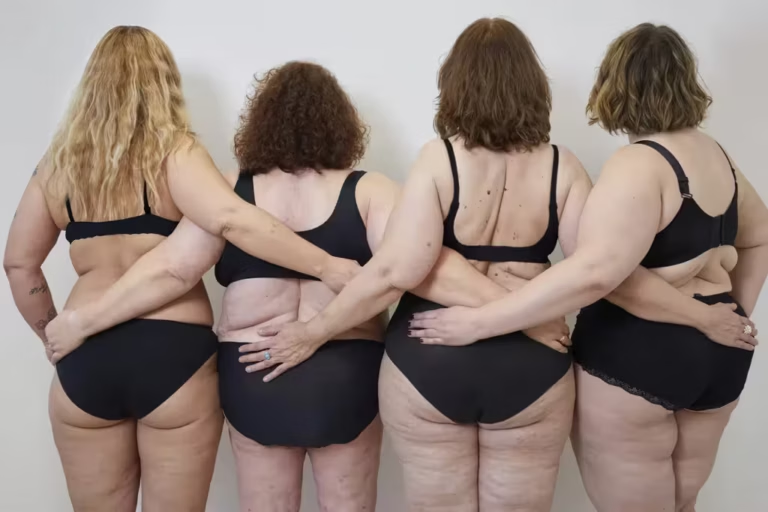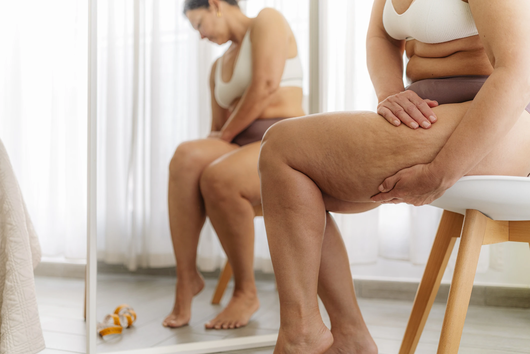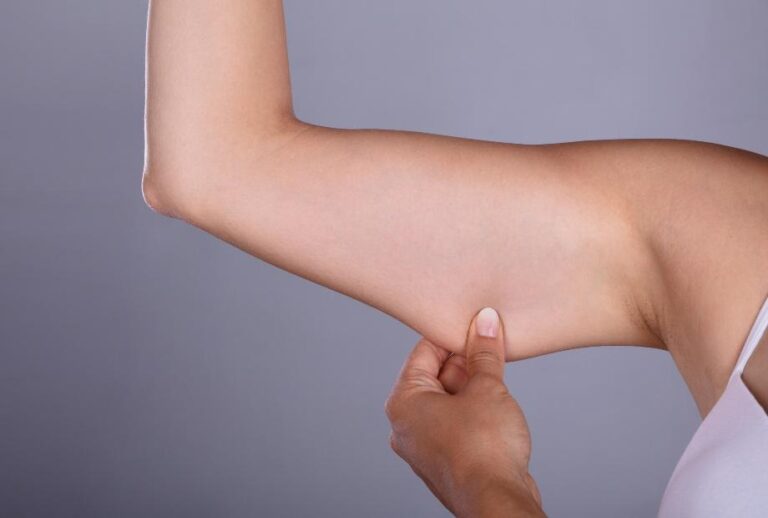

- Who diagnoses lipoedema? Only four specialist groups are authorized to provide a diagnosis recognized by statutory health insurance: Internal Medicine and Angiology, Physical and Rehabilitative Medicine, Dermatology, and doctors with additional training in Phlebology.
- Which specializations help with the initial assessment? General practitioners, phlebologists, and lymphologists can categorize your symptoms and provide referrals. They do not provide the recognized diagnosis required for health insurance.
- What steps lead to a diagnosis? Document symptoms, search specifically for a specialist practice, make an appointment, and have the diagnostic process explained to you.
- What is the most important decision criterion? Experience. The decisive factor is how familiar a practice is with the clinical picture.
- Who accompanies the treatment afterwards? Conservative therapy is usually prescribed by specialists or specialized phlebologists. Liposuction is performed by experienced surgeons.
Who diagnoses lipoedema?
Since the G-BA decision of July 2025, only certain specialist groups may be responsible for a diagnosis recognized by statutory health insurance. These include:
- Specialists in Internal Medicine and Angiology
- Specialists in Physical and Rehabilitative Medicine
- Specialists in Skin and Sexually Transmitted Diseases (Dermatology)
- Doctors with additional training in Phlebology
If you need a lipoedema diagnosis in order to apply for coverage of costs by your health insurance, you must contact one of these specializations.
Even though general practitioners or gynecologists can provide initial indications, they are no longer authorized to provide an official lipoedema diagnosis recognized by statutory health insurance.
Which doctor do you go to first for lipoedema?
Not every initial appointment has to result in a health insurance-recognized diagnosis immediately. Several specializations are suitable for an initial assessment: they can categorize your symptoms, rule out other causes, and provide targeted referrals. The diagnosis valid for health insurance remains reserved for the four groups mentioned above.
General Practitioner
If you are unsure which specialization is right for you, your GP can provide recommendations and refer you to the appropriate place. A lipoedema diagnosis recognized by statutory health insurance has no longer been possible there since July 2025.
Phlebology
One of the most obvious points of contact is phlebology, the field specializing in venous diseases. Phlebologists are usually well-acquainted with the symptoms and stages of lipoedema and can offer you a qualified assessment.
Lymphology
Lymphologists examine swelling in the tissue and can diagnose or rule out diseases of the lymphatic system. This helps to distinguish lipoedema from other causes.
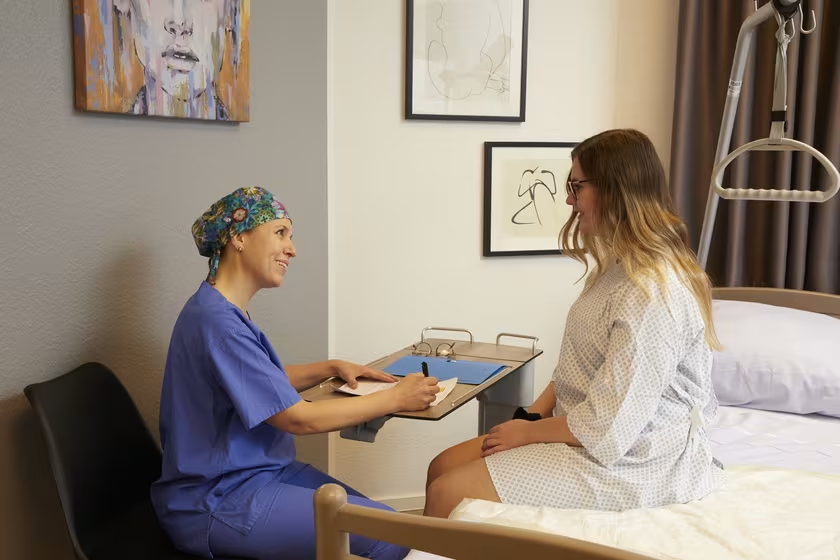
Which doctor for suspected lipoedema?
When a suspicion of lipoedema is in the air, it is often associated with uncertainty and many unanswered questions. With these four steps, you can find out which doctor is the right one for you:
- Document symptoms: Make a note of when pain, swelling or bruising occurs. Photos, daily progressions or symptom diaries can help.
- Search specifically for a specialist practice: Look for a lipoedema practice nearby, ideally from one of the specialist groups mentioned above. Many indicate on their websites whether they offer lipoedema diagnostics.
- Make an appointment: If possible, choose a doctor with experience in dealing with lipoedema patients. Professional experience counts here just as much as heart and understanding.
- Demand information: Have the diagnostic process, possible therapies, and the requirements for cost coverage explained to you.
Even if the path to diagnosis can be associated with hurdles, it is a decisive step toward a better quality of life.
Our self-test does not replace a diagnosis, but it gives you an initial orientation in just a few minutes.
How does the lipoedema diagnosis process work?
A thorough diagnosis requires several steps:
- Anamnesis interview: You describe your symptoms and their progression, ideally using your notes.
- Physical examination: The visual appearance of the affected areas is assessed, such as the disproportionate fat distribution.
- Palpation findings: The affected areas are felt (palpated) to assess tissue structure and sensitivity to pressure.
- Differentiation: Other causes such as obesity, lymphoedema, or lipohypertrophy are ruled out.
There is currently no imaging procedure that reliably proves lipoedema. Sonography can only provide indications.
Misdiagnosis of Lipedema: What Are the Reasons?
Unfortunately, a misdiagnosis is not uncommon, in both directions.
Lipoedema is wrongly assumed when uneven fat distribution or swelling is interpreted as lipoedema, even though other causes are behind it. This leads to unnecessary worry and treatments.
Lipoedema is overlooked if a practice is unfamiliar with the clinical picture. Especially in the early stages, the disease is often confused with obesity or cellulite. Those affected then hear sentences like “You just need to lose weight” and often lose years.
That is why the experience of the practice is the most important criterion when choosing a doctor.
Cost coverage by the health insurance company
Since the G-BA decision of July 17, 2025, a lipoedema diagnosis recognized by statutory health insurance may only be made by the specialist groups mentioned above. If you need a diagnosis to present to a statutory health insurance provider, it must therefore be carried out by an authorized panel doctor.
Diagnoses from private clinics are not considered billable in the statutory insurance system. You can read about the other requirements for cost coverage, such as six months of conservative treatment, in our dedicated article.
Lipoedema doctor nearby: What you should look for when choosing
The choice is not just a matter of proximity, but above all of experience and specialization. Many patients report that during initial medical contacts they were dismissed with statements like “You just need to lose weight” or “That’s just normal cellulite.” Such experiences can be hurtful and often lead to those affected withdrawing.
What you can look out for:
- Does the practice offer special lipoedema consultation hours?
- Are there any testimonials from other patients?
- Is the topic treated with sensitivity and understanding?
- Is the practice familiar with the current G-BA guidelines for diagnostics?
The better a practice is acquainted with the clinical picture, the faster you will gain clarity and the feeling of finally being understood. Strict requirements apply to health insurance, but for you, one thing counts above all: feeling seen, heard, and accompanied with medical competence.
Diagnosis and then? Who continues to accompany the treatment?
After diagnosis by the correct specialization, your lipoedema treatment begins. Here, too, the question arises as to who will continue to accompany you. Treatment can include:
- Conservative therapy: Compression garments, lymphatic drainage, and exercise, usually prescribed by specialists or specialized phlebologists.
- Surgical therapy (liposuction): Here, experienced specialists in surgery, plastic surgery, dermatology, or gynecology take over.
Topics such as a balanced lipoedema diet, secondary diseases, and the connection between lipoedema and the psyche are also part of complete care.
At LipoClinic, only highly qualified specialists with years of experience perform liposuction for lipoedema, inpatient, safe, and with individual care. You will receive a dedicated contact person who will accompany you from start to finish.
LipoClinic Dr. Heck: Diagnostics, Consultation, and Support
Which doctor is the best choice for lipoedema depends largely on their experience with the disease. At LipoClinic Dr. Heck, we offer you sound diagnostics and personal consultation by experienced lipoedema experts, even though we cannot bill statutory health insurance. As a private clinic, we accompany you from diagnosis through potential surgery to aftercare.
For patients with private health insurance or from abroad, we naturally issue written diagnoses.
The team at LipoClinic Dr. Heck is by your side: independent of health insurance regulations, with many years of experience, clear communication, and a tangible commitment to your health.
FAQ – Frequently asked questions on the topic "Lipoedema: Which doctor?"
Yes, we can diagnose lipedema as part of our consultation and treat you as usual. However, we no longer issue a diagnosis that is recognized by health insurance companies. An exception applies to international and privately insured patients. The Federal Joint Committee (G-BA) has determined that a diagnosis valid for statutory health insurance funds may only be made by specific specialists.
A good doctor for lipoedema recognizes the physical characteristics and at the same time takes your symptoms seriously. Experience, empathy, and a sound understanding of the specifics of this disease are crucial, as are transparency in information and clear communication about treatment options.
Contact one of the authorized specialist groups or take advantage of an initial private consultation at a specialized clinic. There, your symptoms can be correctly categorized and the next steps discussed.
The diagnostician provides the medically confirmed diagnosis required for further treatment and, if applicable, cost reimbursement. The surgeon performs the liposuction and must also write their own indication. Both functions cannot always be performed by the same person.
In some regions, there are only a few lipoedema practices authorized by statutory health insurance. You can accept a longer journey or initially seek private consultation. Many clinics also offer telephone or video consultations to clarify initial questions.
Yes, of course. You receive individual consultation, specialized diagnostics, and surgical treatment at a high medical level, regardless of your health insurance affiliation. Services are billed privately. For many patients, this is an alternative to avoid long waiting times and unclear responsibilities.

Dr. Thomas Witte is Medical Director of LipoClinic Dr. Heck and a specialist in plastic and aesthetic surgery. With decades of surgical experience and a deep understanding of the individual needs of lipoedema patients, he is one of the leading experts in this field. His focus is on holistic, safe and empathetic care – always with the aim of restoring quality of life.