
Typical symptoms of lipoedema are symmetrical, painful accumulations of fat on the legs and arms, which become heavier, tighter and more sensitive to pressure as the day progresses. Frequently there are bruisingswelling and an unpleasant feeling of tension, while the limbs appear stronger in relation to the upper body. Those affected also report fatigue, restricted movement and spontaneous pain, which distinguish lipoedema from normal fat deposits and enable early detection.
Lipedema symptoms: how to recognize the signs
Do you suffer from constant pain and tenderness in your legs and arms that gives you no rest – whether it’s morning, noon or night? Do your limbs feel heavy and swollen with no relief during the day? It’s as if you are constantly carrying an invisible weight that makes every movement difficult. These agonizing symptoms could indicate lipoedema – a condition that is often overlooked and underestimated, even though it has a profound impact on the lives of those affected.
Lipedema is more than just a physical condition; it can affect your entire quality of life. The pain is not only physical, but often also leaves psychological traces. The feeling of being trapped in your own body, the lack of understanding from outsiders, the constant exhaustion – all of this can be overwhelming. But you are not alone. Millions of women share this fate.
But what exactly do lipoedema symptoms look like and how can you tell if you might be affected?
Recognizing lipedema: What is lipedema?
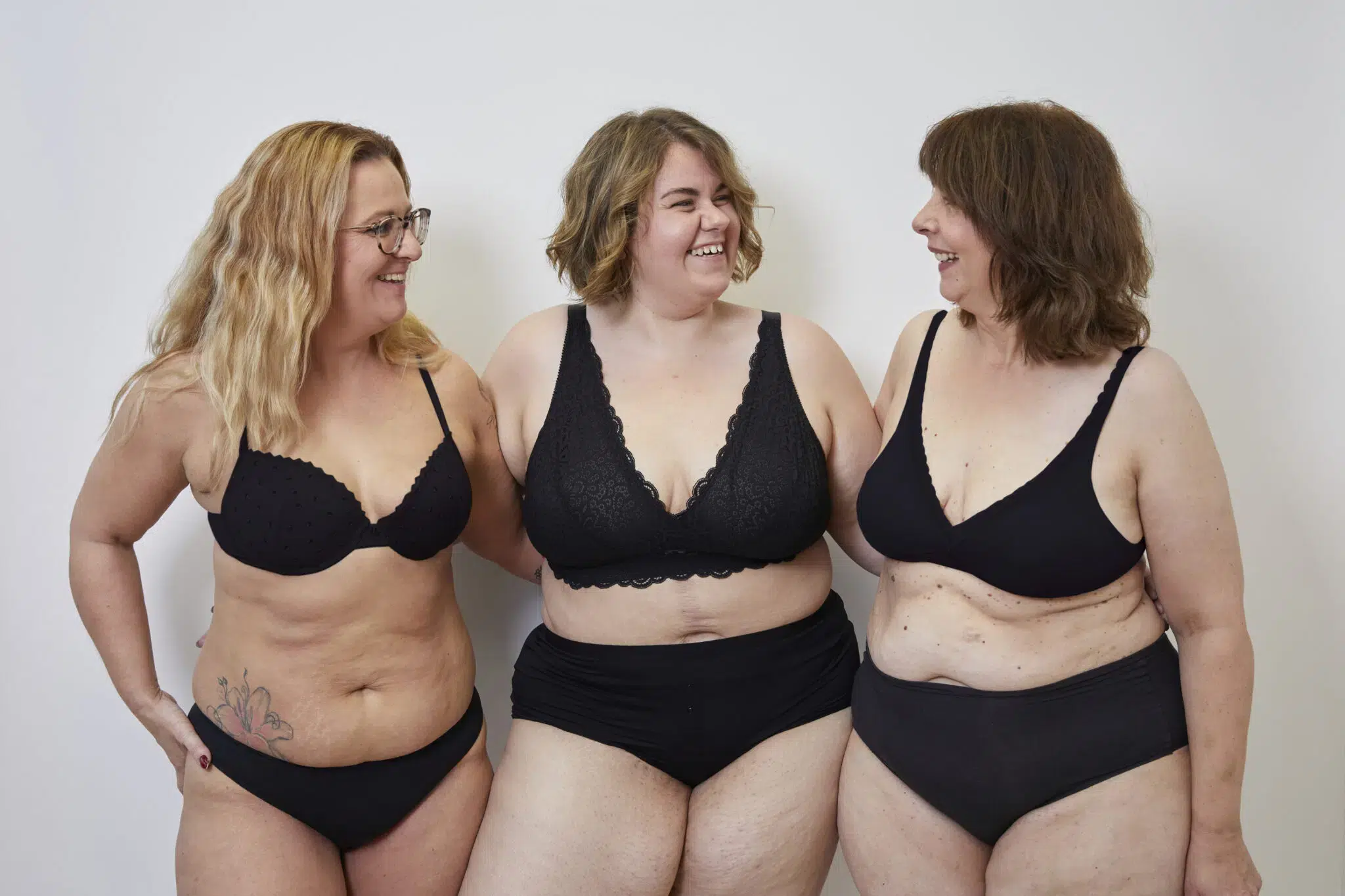
A lipoedema is characterized by a symmetrical, disproportionate increase in subcutaneous fatty tissue, particularly on the legs, hips and arms. Hands and feet are usually spared, which is an important distinguishing feature from other diseases. Unlike general obesity, lipoedema fat cannot be significantly reduced by dieting or exercise, which can lead to further psychological stress for those affected.
The exact causes are not yet fully understood. Experts suspect a genetic predisposition and hormonal influences as triggers. Lipoedema often manifests itself for the first time during phases of hormonal change such as puberty, pregnancy or the menopause.
Lipedema symptoms at a glance
The symptoms of lipedema are diverse and can vary from person to person. The most common signs include:
Disproportionate fat distribution: This is characterized by symmetrical fat pads that do not match the rest of the body, usually on the legs and arms.
Heavy legs: It feels as if your legs are weighed down by a load, as if you are carrying heavy bags around with you.
Tendency to bruise: Those affected often have an increased tendency to hematomas, which occur even with minor bumps.
Pain and a feeling of tension: Pain and an intense feeling of tension occur in the affected areas of the body, which can worsen during the course of the day.
Pain on pressure and touch: The affected areas react sensitively to pressure and touch.
Tiredness and exhaustion: A chronic feeling of tiredness that goes far beyond normal exhaustion is also typical.
The connection between lipedema and the psyche should not be underestimated: Many sufferers experience psychological stress such as feelings of shame, isolation and reduced self-esteem.
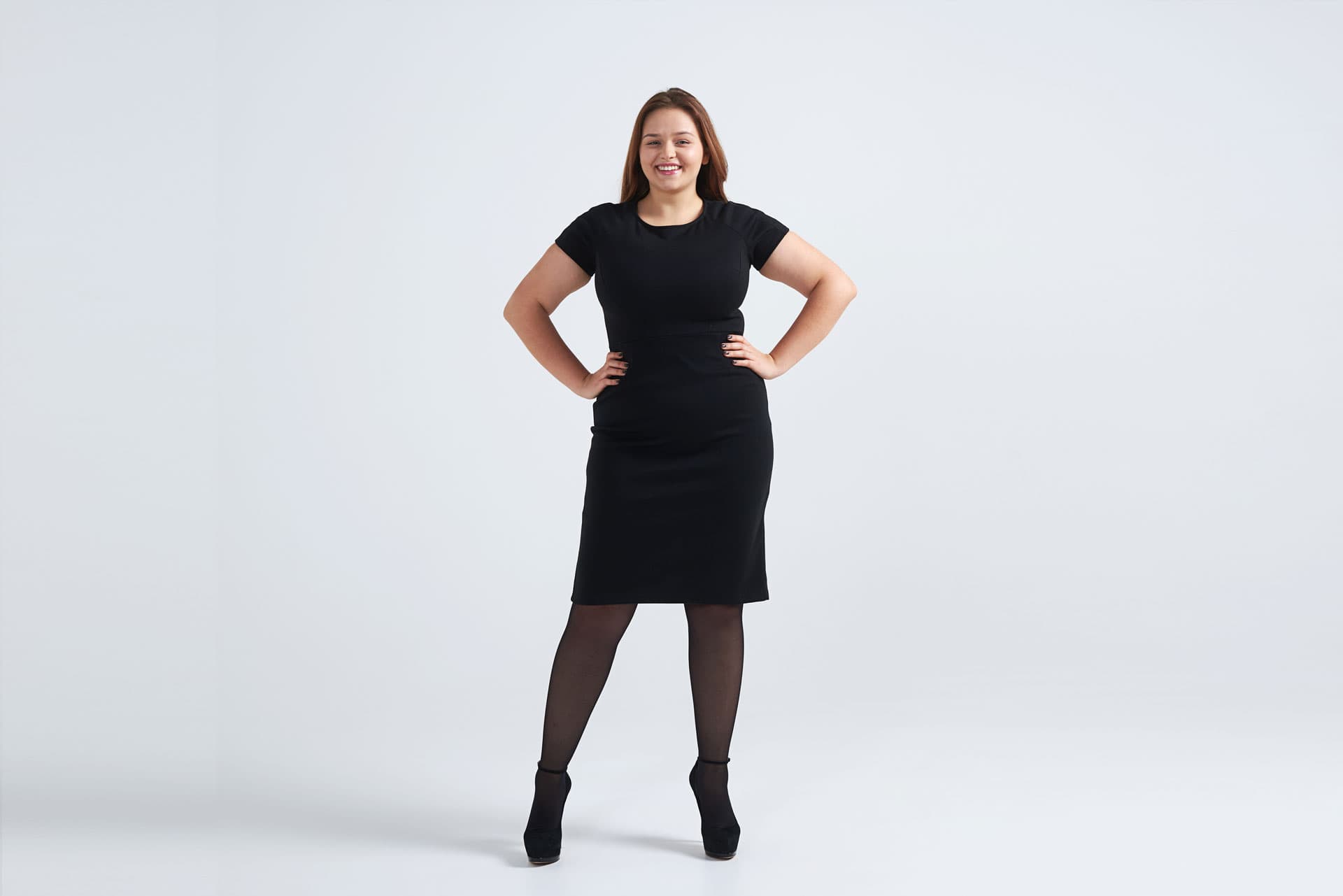
Lipedema on legs and arms: A closer look at the symptoms
Lipoedema is most frequently noticeable on the legs. An increase in the circumference of the legs from the ankles to the hips is typical. This often gives the impression of “columnar legs”. Lipoedema on the legs shows many of the symptoms mentioned above: The skin can be sensitive to the touch and many sufferers report pain. In addition, the skin on the legs is often unusually cold and may feel tight. Initially, there is often only a pronounced feeling of heaviness.
Lipoedema can also develop on the arms, usually from the wrists to the shoulders. The hands themselves are not affected. Lipoedema on the arms shows similar symptoms to those on the legs: Those affected often report increased sensitivity to pressure, pain and a feeling of heaviness.
In the official guidelines, lipoedema is only described for the legs, buttocks and arms. Nevertheless, the abdomen and especially the lower abdomen can also show very similar symptoms, such as pressure pain and a feeling of tightness. With the right indication, a liposuction can produce equally good results in this area as on the legs and arms. However, it is important to note that the fat distribution disorder does not occur on the abdomen.
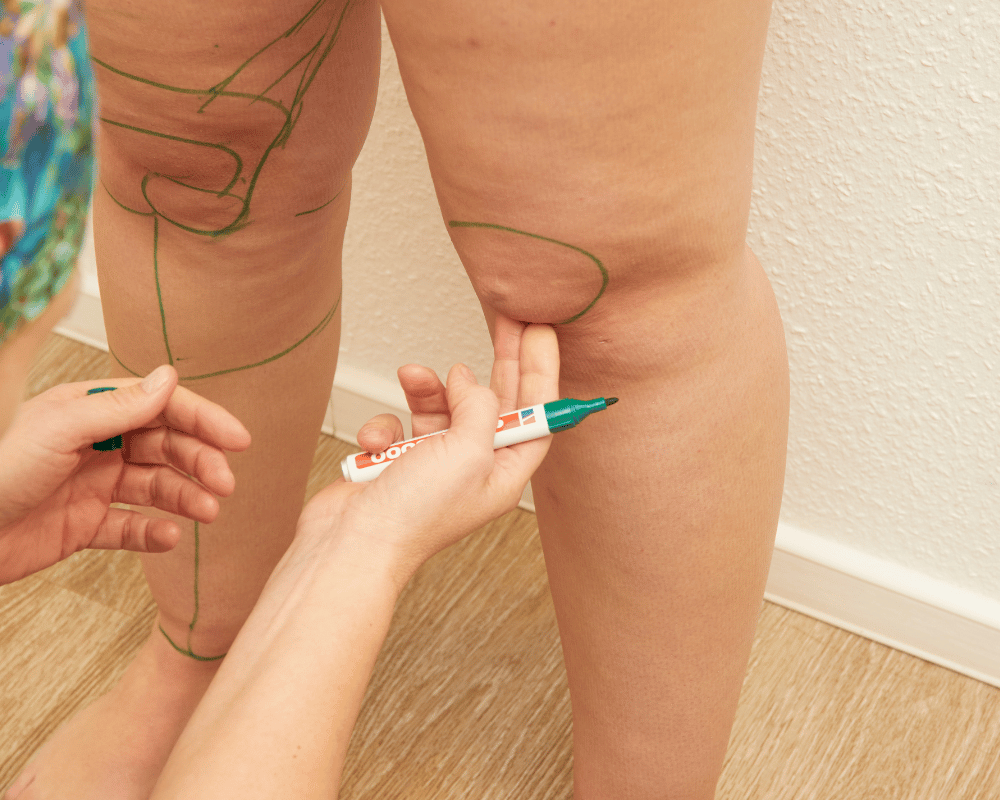
An increase in circumference on the legs and arms is one of the classic signs of lipoedema.
Pain and fatigue with lipoedema
A particularly distressing symptom of lipoedema is the constant pain that accompanies sufferers around the clock. This pain is penetrating and debilitating, rarely subsides and is always present. While the pain is already an enormous burden in everyday life, it can become even worse during a lipoedema relapse can intensify considerably. In such phases, even light pressure or touch becomes unbearable and the intensity of the pain can become so severe that it considerably restricts the freedom of movement and the entire daily life of those affected.
This pain is often accompanied by a type of lipoedema fatigue, which manifests itself not only as normal fatigue, but also as a deep, unusual feeling of heaviness in the affected limbs. This lipoedema symptom can significantly impair daily activities and reduce quality of life, as it severely limits the mobility and stamina of those affected.
Correctly interpreting the first signs of lipoedema
Especially at the beginning, lipoedema and its symptoms are often not recognized as such or are confused with other diseases. The symptoms of diseases such as fibromyalgia, chronic musculoskeletal pain, polyneuropathy or chronic venous insufficiency can be similar to those of lipoedema. The occurrence of secondary lipoedema diseases can also make the diagnosis more difficult. However, there are some signs that speak for lipoedema:
- The fat deposits can hardly be influenced by diets or exercise.
- Legs and/or arms are disproportionately thick compared to the rest of the body.
- Day-independent pain and feelings of tension.
- Bruises occur more frequently without you having bumped yourself.
For a targeted lipoedema diagnosis a personal physical examination is essential in addition to the symptoms described. There are currently no instrument-based diagnostics available that can confirm lipedema. Ultrasound in particular can only give minor indications but never evidence of the presence of lipedema. A detailed medical history and description of the symptoms are therefore essential for making a diagnosis.
We treat your lipedema symptoms!
Early detection of possible lipoedema is crucial in order to curb the progression of the fat distribution disorder and improve your own quality of life. Symptoms of lipedema, such as fatigue and pain, should be taken seriously and discussed with a specialist at an early stage.
LipoClinic Dr. Heck is the world’s leading clinic for the diagnosis and surgical treatment of lipoedema. Our versatile team of surgical experts treat lipoedema patients according to a specially developed treatment protocol. In a personal consultation, we offer you comprehensive advice on lipoedema symptoms and liposuction and create a treatment plan tailored to your individual needs.
Would you like to know more about our specialized approach for the treatment of lipedema symptoms or register for one of our LipoTalks sign up? Then don’t hesitate, contact with us and take the first step towards improved well-being!
FAQ - Frequently asked questions about lipoedema symptoms
What are the symptoms of lipoedema?
Lipoedema is often characterized by a symmetrical increase in fat on the legs or arms, while the feet and hands remain unaffected. Typical symptoms are sensitivity to pressure, pain on touch and a feeling of heaviness in the affected limbs. The distribution of fat is usually strikingly disproportionate to the rest of the body.
What are the first signs of lipoedema?
The first signs of lipoedema can appear unspecific: tired legs, an unpleasant feeling of pressure and an increasing feeling of tightness in pants or sleeves – although the weight remains stable. A sudden hematoma (bruise) without trauma can also be an indication. The symptoms often begin during hormonal upheaval phases such as puberty or pregnancy.
Can the symptoms of lipoedema appear suddenly?
Lipoedema usually develops gradually, but often becomes apparent after hormonal upheaval phases such as puberty, pregnancy or the menopause. The symptoms are often more noticeable as they progress.
Is pain normal with lipedema?
Yes, lipoedema pain is a key symptom. It usually manifests itself as pressure pain, a feeling of tension or burning pain in the affected areas. These symptoms often increase during the course of the day.
How do lipoedema and lymphoedema differ in terms of symptoms?
Lipoedema does not affect the hands and feet, whereas lymphoedema does. In addition, lymphoedema often causes elastic swellings, whereas lipoedema tends to cause pressure-painful tissue proliferation without pitting.
Especially at the beginning, lipoedema and its symptoms are often not recognized as such or are confused with other diseases. The symptoms of diseases such as fibromyalgia, chronic musculoskeletal pain, polyneuropathy or chronic venous insufficiency can be similar to those of lipoedema. The occurrence of secondary lipoedema diseases can also make the diagnosis more difficult. However, there are some signs that speak for lipoedema:
- The fat deposits can hardly be influenced by diets or exercise.
- Legs and/or arms are disproportionately thick compared to the rest of the body.
- Day-independent pain and feelings of tension.
- Bruises occur more frequently without you having bumped yourself.
For a targeted lipoedema diagnosis a personal physical examination is essential in addition to the symptoms described. There are currently no instrument-based diagnostics available that can confirm lipedema. Ultrasound in particular can only give minor indications but never evidence of the presence of lipedema. A detailed medical history and description of the symptoms are therefore essential for making a diagnosis.
Apotheken Umschau (2024): Lipoedema – what helps against the painful accumulation of fat on the legs. > Open source
Reviewed by Dr. med. Thomas Witte
Dr. Thomas Witte is Medical Director of LipoClinic Dr. Heck and a specialist in plastic and aesthetic surgery. With decades of surgical experience and a deep understanding of the individual needs of lipoedema patients, he is one of the leading experts in this field. His focus is on holistic, safe and empathetic care – always with the aim of restoring quality of life.

Dr. med. Thomas Witte
Medical Director
Specialist in plastic and aesthetic surgery
Specialist in surgery and hand surgeon