- Is lipoedema a mental illness? No. Lipoedema is not a mental illness, but it often has a major impact on emotional wellbeing. Conversely, psychological stress can intensify symptoms such as pain.
- Which strains are common? A distorted body image, feelings of shame, social withdrawal, frustration due to late diagnoses and unsuccessful diets.
- Can lipoedema be caused by stress? No. The causes are hormonal and genetic. However, stress can significantly worsen symptoms and trigger flare-ups.
- What helps? A confirmed diagnosis, effective physical treatment, connecting with others affected, psychotherapy and stress management.
- Does health insurance cover psychotherapy? Yes, psychotherapy is a standard health insurance benefit, regardless of lipoedema.
- Does mental wellbeing improve after surgery? Often, yes. But self-image often takes longer than the body—sometimes months.
Lipoedema is not a mental illness, but it often has a major impact on emotional wellbeing. Conversely, psychological stress can intensify symptoms such as pain.
Women with lipoedema therefore often face a double challenge: the physical symptoms and the emotional strain that results. Both should be part of good treatment.
How lipoedema affects the psyche
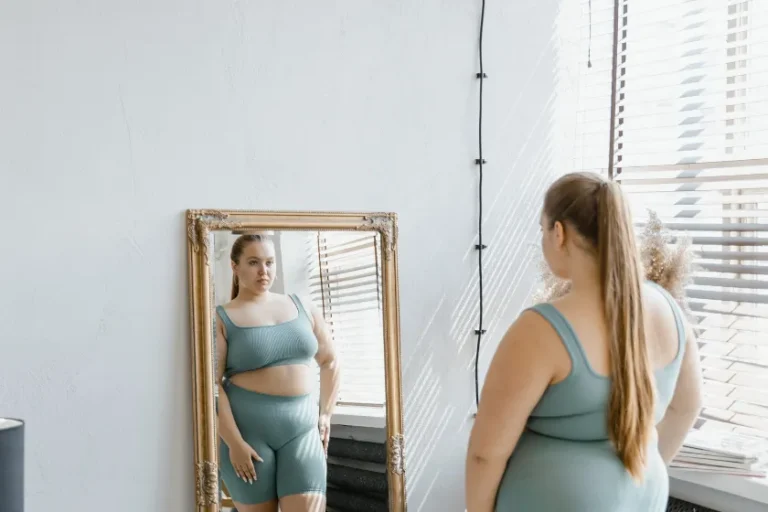
Body image and self-esteem
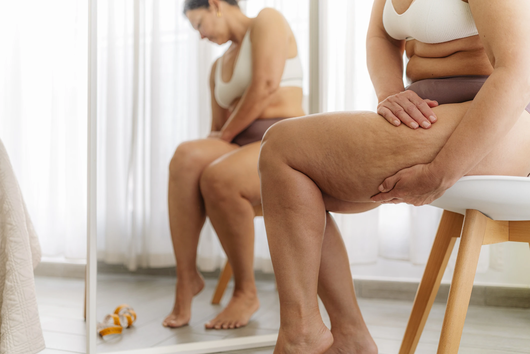
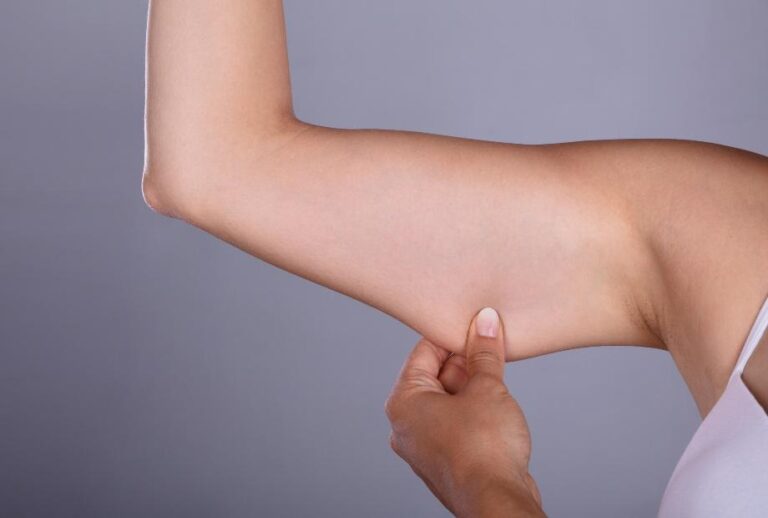
The disproportionate fat distribution on the legs and arms, along with bruising and societal beauty ideals, often leads to dissatisfaction, shame and withdrawal. Many people affected experience a profound detachment from their own bodies and feel powerless in relation to them.
Frustration and exhaustion
Late diagnoses, a lack of understanding from those around them (“just lose weight”) and unsuccessful diets wear people down. Many women have spent years fighting their own bodies and blaming themselves. On top of that, there is often pronounced exhaustion.
Pain and emotional stress
Chronic pain, swelling and sensitivity don’t just take a physical toll. The constant discomfort and everyday limitations can lead to frustration and irritability, strain relationships and result in isolation.
Stigma and withdrawal
Because the condition is not always visible and is often equated with being overweight, those affected experience prejudice and inappropriate comments. This is particularly difficult for slim women, who fit the common stereotype even less.
Persistent low mood, lack of drive, sleep problems, withdrawing from social life or disordered eating are signals you should take seriously. Talk about it before the strain becomes too much—with your GP practice, a female psychotherapist, or a psychotherapist.
Can lipoedema be caused by stress?
No. Based on current knowledge, lipoedema is hormonally driven and genetically predisposed. Stress does not trigger it.
What stress can do, however, is worsen symptoms. It affects pain perception, promotes inflammatory processes and is considered one of the most common triggers for a lipoedema flare-up. That’s why stress management is not a side issue, but an effective part of treatment.
What helps with emotional strain
A confirmed diagnosis
For many women, the diagnosis alone is a relief: finally a name for something that was dismissed for years as a lack of discipline. Effective treatment of the physical symptoms also tends to improve emotional wellbeing.
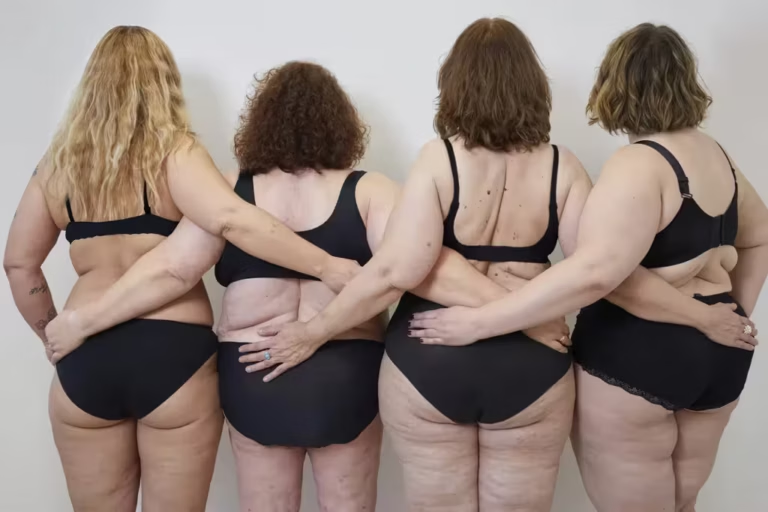
Connecting with others affected
Contact with women who have similar experiences is often more powerful than expected. Self-help groups and online communities offer a safe space for questions and exchange. LipoClinic patients also have access to our Help-&-Serve group on Facebook; you’ll receive access after booking a consultation appointment. Our LipoTalks are also a great place to start.
Psychotherapy
Therapy helps you make sense of thoughts and feelings and develop sustainable coping strategies. Proven approaches include cognitive behavioural therapy and mindfulness-based methods. Psychotherapy is a standard health insurance benefit and is available regardless of lipoedema.
Stress management and everyday life
Relaxation exercises, meditation, enough sleep, a balanced diet and regular, joint-friendly movement support both body and mind. The right approach is individual. Try what does you good, rather than following a programme that works for others.
Not sure whether your symptoms fit lipoedema? Our self-test gives you an initial orientation in just a few minutes.
After surgery: when your mind hasn’t caught up yet
The time after lipoedema surgery brings relief, but sometimes also new challenges. After years with the condition, self-image often lags behind the physical change: others see the difference, but the person affected may not yet see it themselves.
What helps:
- Before-and-after photos to make your progress clearly visible
- Allowing feedback from those around you instead of pushing it away
- Patience with yourself, because the final result only becomes visible after months
- Supportive conversations if the discrepancy continues to feel distressing
Our holistic approach
Our motivation to focus on treating lipoedema comes from exactly this experience: the lack of recognition of the physical and emotional suffering that comes with this condition.
Our team treats not only the visible symptoms, but also takes the emotional strain seriously. We also collaborate with the research group at the Department of Psychiatry and Psychotherapy at LVR University Hospital Essen to better understand the links between lipoedema and the psyche.
You can find out more about our approach on our website. Or contact us directly.
FAQ – frequently asked questions about lipoedema and the psyche
No. Lipoedema is hormonally driven and genetically predisposed; stress does not trigger it. However, it can significantly worsen symptoms and is considered one of the most common triggers for a flare-up. Relaxation techniques therefore have a preventive effect.
Emotional strain often shows up physically: through persistent exhaustion, sleep problems, tension, increased pain sensitivity and changes in appetite. With lipoedema, this often intensifies a cycle of pain, less movement and increasing strain.
No. Lipoedema is a physical, chronic fat distribution disorder with hormonal and genetic causes. It is neither a mental illness nor a psychosomatic condition. The psychological strain is a consequence, not a cause.
Joint-friendly forms of exercise such as swimming, aqua aerobics, cycling, Nordic walking or yoga are particularly suitable. They promote lymph flow, relieve symptoms and have a proven positive effect on mood. It’s important that the movement does not cause pain.
Yes. Psychotherapy is a standard benefit covered by statutory health insurance, regardless of lipoedema. The route is via an initial psychotherapeutic consultation, where the need is assessed. Waiting times for a therapy place vary depending on the region.
Often, yes, because pain decreases and mobility improves. However, self-image often takes longer than the body. Many patients report that they only truly noticed the change after months. That’s normal and not a setback.

Dr. Thomas Witte is Medical Director of LipoClinic Dr. Heck and a specialist in plastic and aesthetic surgery. With decades of surgical experience and a deep understanding of the individual needs of lipoedema patients, he is one of the leading experts in this field. His focus is on holistic, safe and empathetic care – always with the aim of restoring quality of life.
- Erbacher, G. and Bertsch, T. (2020): Lipoedema and pain – What role does the psyche play?
- Springer: Stages of lipoedema: experiences of physical and mental health and health care
- AWMF: S2k Guidelines of the German Society of Phlebology and Lymphology