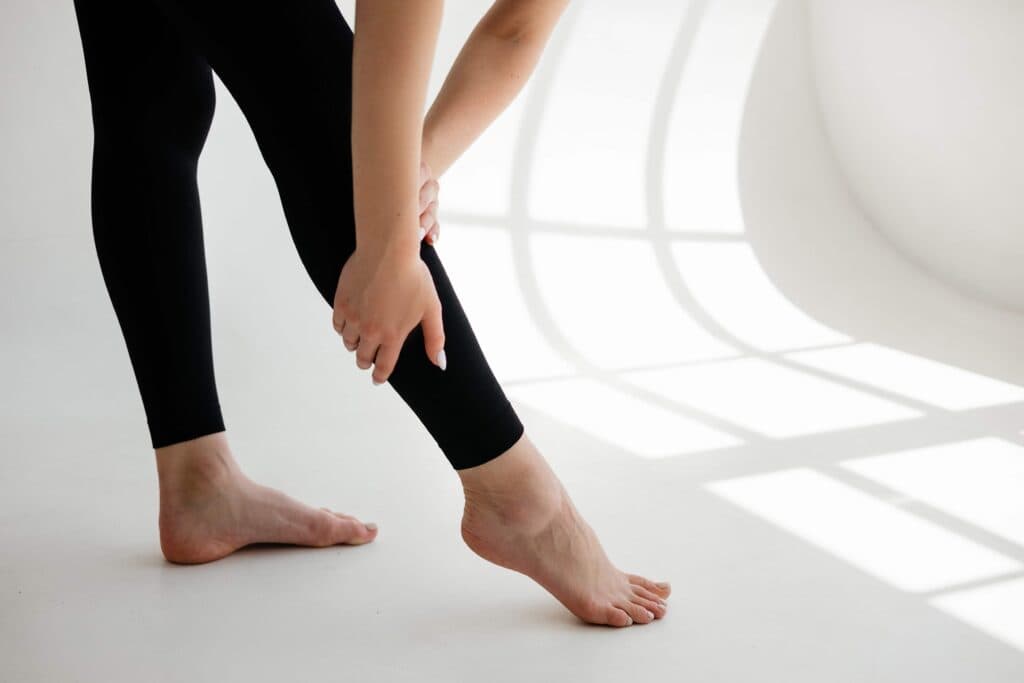

- How is lipoedema treated? Treatment is usually based on conservative measures and, if needed, liposuction.
- What is included in conservative therapy? Compression, manual lymphatic drainage, exercise and an adapted diet. They relieve symptoms but do not remove the diseased fatty tissue.
- When is surgery advisable? If pain and restricted mobility persist despite conservative treatment. Liposuction is the only method that permanently removes the diseased fatty tissue.
- Which technique is used? Usually water-jet assisted liposuction (WAL), which protects the lymphatic system; less often the tumescent technique (TLA).
- Will health insurance cover the costs? Since the G-BA decision of 17 July 2025, yes—under certain conditions. However, LipoClinic Dr. Heck is a private clinic without statutory health insurance accreditation.
Questions before lipedema treatment: What is lipedema?
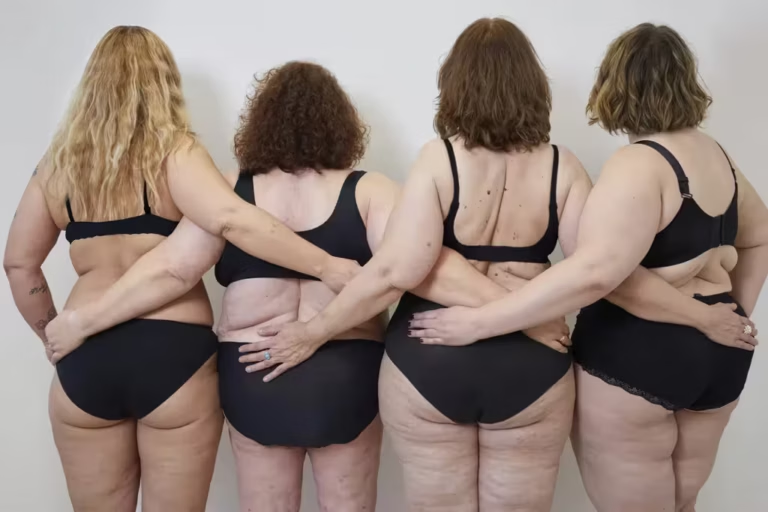
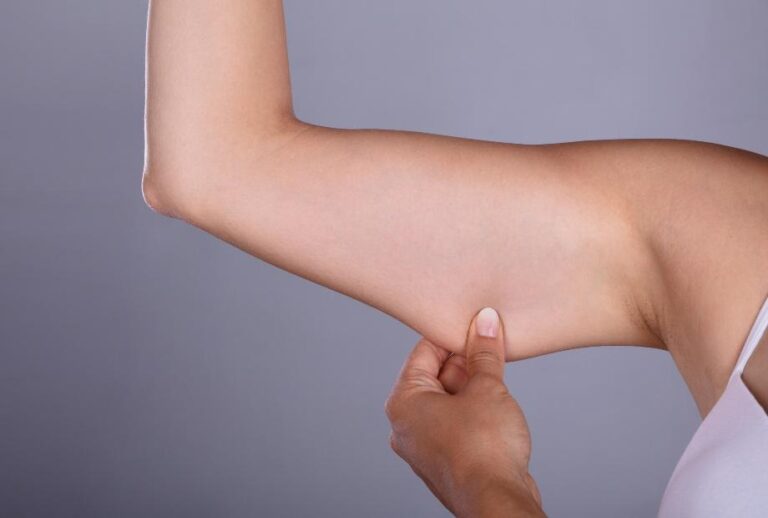
Lipoedema is a chronic fat distribution disorder that almost exclusively affects women. A pathological increase in fat cells leads to a disproportionate increase in subcutaneous fatty tissue—especially on the legs, hips and buttocks.
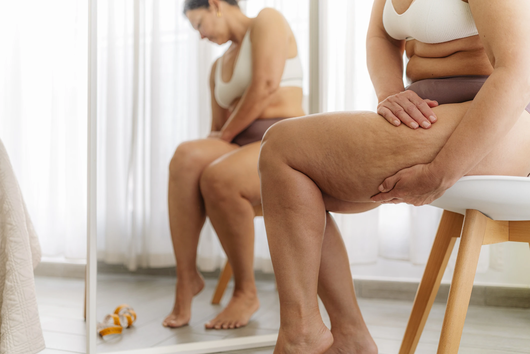
The causes are not yet fully understood; genetic and hormonal factors are suspected. In addition to the increase in fatty tissue, other lipoedema symptoms are typical, such as pain, a feeling of tightness and increased sensitivity to pressure in the affected areas. Reduced quality of life and psychological stress are also common.
Treatment for lipoedema aims to relieve pain, feelings of tightness and swelling, and to improve quality of life. The condition is currently not curable. Treatment is usually based on conservative measures and, if needed, liposuction.
Conservative options for lipedema treatment
In early stages of lipoedema, conservative treatment can relieve symptoms. The basis is usually Complex Physical Decongestive Therapy (CPDT). This includes:
- Compression therapy: Flat-knit compression stockings or tights relieve the tissue, reduce swelling and ease pain.
- Manual lymphatic drainage: It improves lymphatic drainage and reduces pressure in the tissue.
- Exercise: Walking, swimming or cycling support circulation and lymph flow without putting strain on the joints.
- Diet: A balanced diet and, if overweight, weight loss can reduce symptoms.
Consistent implementation is important to achieve the best possible effect. Lymphatic drainage and compression garments should be provided by specialised therapists.
It relieves symptoms and slows progression. However, it does not remove the pathologically increased fatty tissue. Only liposuction can do that.
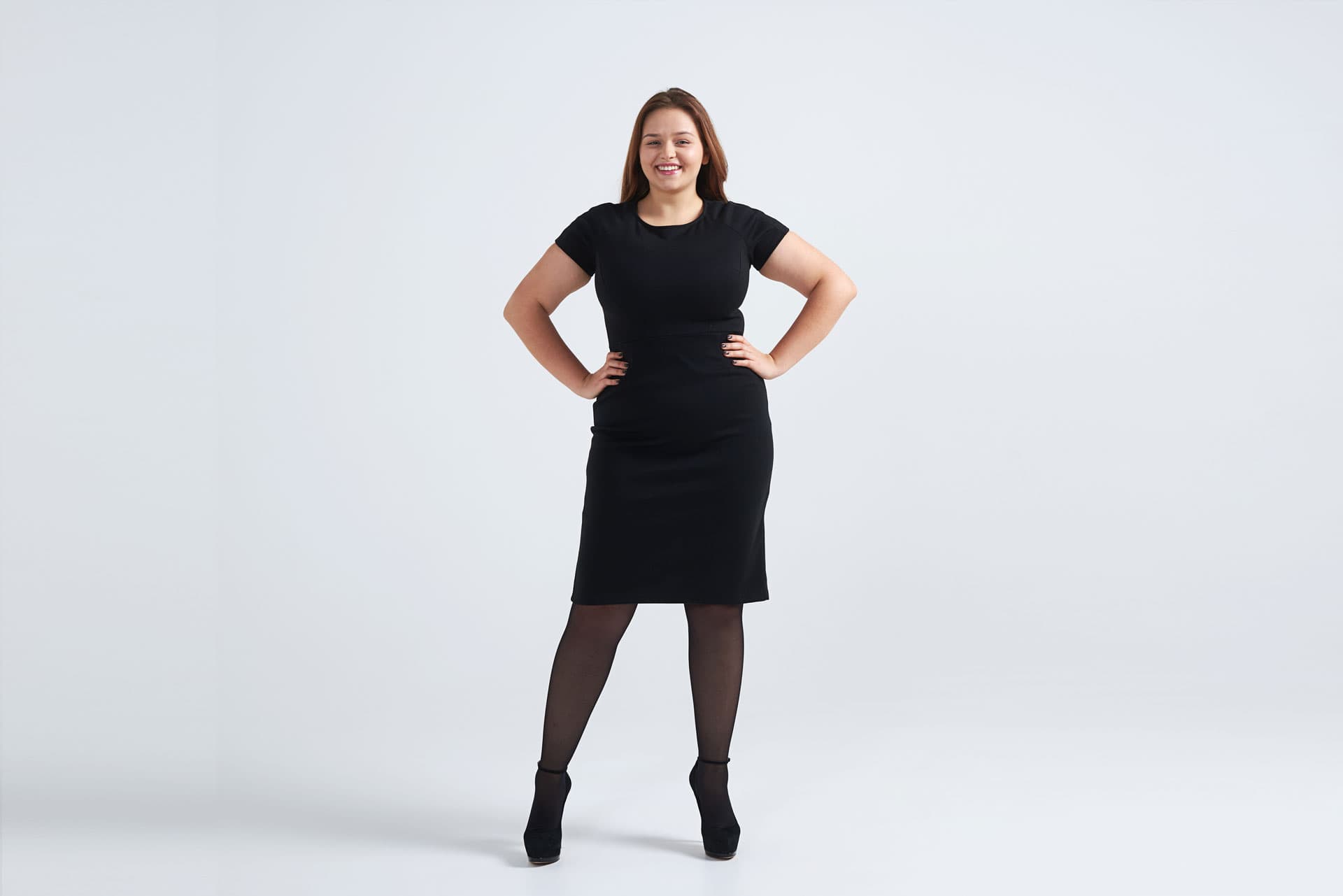
Click on an area to learn more about the respective symptom.
Surgical treatment for lipoedema using liposuction
Liposuction has become established as the most effective treatment method for lipoedema. The diseased fatty tissue is suctioned out using special cannulas. The removed fat cells do not grow back.
Water-jet assisted liposuction (WAL)
With WAL, a finely dosed water jet under slight pressure gently loosens the fat cells from the tissue and suctions them out at the same time. Blood vessels, nerves and, above all, the lymphatic system remain largely unharmed. For lipoedema patients, this is the key advantage. At LipoClinic Dr. Heck, WAL is therefore the standard method.
Tumescent liposuction (TLA)
With TLA, a larger amount of tumescent solution is first introduced into the tissue. It contains a local anaesthetic for numbing, adrenaline to constrict blood vessels, and saline solution that causes the tissue to swell. This makes it easier for the fat cells to separate from the connective tissue.
Both techniques require experienced doctors to avoid injury to the lymphatic system and achieve an even result.
Procedure and number of operations
Depending on your individual situation, the procedure is performed under twilight sedation or general anaesthesia and takes around two to three hours per area. Because lipoedema usually affects several body areas, two to three procedures are often planned. This is gentler on the body and allows for more precise results.
Before surgery, there is always a detailed pre-examination: it confirms the diagnosis, determines the severity and clarifies which areas will be treated.
Aftercare and healing process
Compression garments are applied immediately after the procedure. They reduce swelling and help the tissue adapt to the new shape, and should be worn consistently for several weeks.
- First few days: Rest; swelling and bruising are normal.
- Four to six weeks: Avoid sport and heavier strain; gentle movement is encouraged.
- Two to six weeks: first visible changes once the swelling subsides.
- Three to six months: final result once the tissue has fully healed.
Many patients also benefit from lymphatic drainage, which supports the outflow of tissue fluid and can speed up recovery.
How much does lipoedema treatment cost?
The costs cannot be stated as a flat rate because each procedure is planned individually. Key factors are:
- the number of areas treated,
- the duration of the procedure,
- the technique chosen,
- as well as the clinic’s equipment, standards and aftercare services.
Conservative therapy includes services such as compression garments and lymphatic drainage, which can be prescribed by a doctor.
On 17 July 2025, the Federal Joint Committee (G-BA) decided that statutory health insurance will cover the costs of liposuction for lipoedema under certain conditions. You can find details under Cost coverage for lipoedema.
LipoClinic Dr. Heck is a private clinic without statutory health insurance accreditation. Direct billing with statutory health insurance is therefore not possible with us.
Holistic lipoedema therapy as the key to success
To achieve lasting results and improve quality of life in the long term, a holistic therapy approach is crucial. In addition to the treatment itself, this includes personal counselling, involving your support network and individually tailored aftercare. This includes:
- Education and psychological support
- Guide to an active lifestyle with healthy eating
- Lymphatic drainage and compression garments after surgery
Both secondary conditions and the link between lipoedema and mental health are often given too little attention. Only when body and mind are given equal consideration is it possible to be largely symptom-free and return to your usual quality of life.
Start your lipoedema treatment at LipoClinic Dr. Heck
At LipoClinic Dr. Heck, you receive comprehensive lipoedema treatment according to the latest medical standards. Our team supports you from the pre-examination through the procedure and into aftercare.
Do you have questions about our approach or would you like to book an appointment? In a non-binding consultation, we will provide you with detailed information and work with you to find the path that fits your situation. If you’re looking to connect with others affected, our LipoTalks are just right for you.
FAQ – frequently asked questions about lipoedema treatment
In principle, a distinction is made between conservative and surgical treatment. Conservative therapy includes compression, lymphatic drainage, exercise and nutritional counselling. Liposuction can provide long-term relief because it removes the diseased fatty tissue.
That depends on the extent and the body area. Two to three procedures are often carried out to treat all affected areas gently. The exact number is determined in the personal consultation.
You should take it easy for the first few days. Swelling and bruising are normal and usually subside within a few weeks. Sport and heavier strain should be avoided for around four to six weeks.
The fat cells removed surgically do not grow back. However, hormonal changes or weight gain can cause diseased fat to accumulate again in areas that were not operated on. Long-term aftercare is therefore advisable.
Complex Physical Decongestive Therapy (CPDT) consisting of manual lymphatic drainage, compression and exercise is the key measure. Supportive measures can include: a low-salt diet, sufficient fluids (at least two litres daily, ideally water), herbal teas such as nettle tea in moderation (one to two cups per day), and gentle exercise, such as aqua fitness after complete wound healing.
Whether lipoedema patients are more likely to have certain vitamin deficiencies has not been conclusively clarified scientifically. A study from May 2024 shows that many patients had low vitamin D levels before surgery, and that these decreased further afterwards. No general conclusion can be drawn from this. Our tip: Have your vitamin D level checked by a doctor before considering supplementation. A vitamin B12 deficiency should also be assessed individually.
As part of our consultation, we can diagnose lipoedema and treat you as usual. However, we no longer issue a diagnosis recognised by statutory health insurance; an exception applies to international patients and those with private health insurance. The Federal Joint Committee has stipulated that a diagnosis valid for health insurers may only be made by certain medical specialties.
No. LipoClinic Dr. Heck is a private clinic and does not have statutory health insurance accreditation. You will receive an invoice from us based on your individual treatment contract.

Dr. Thomas Witte is Medical Director of LipoClinic Dr. Heck and a specialist in plastic and aesthetic surgery. With decades of surgical experience and a deep understanding of the individual needs of lipoedema patients, he is one of the leading experts in this field. His focus is on holistic, safe and empathetic care – always with the aim of restoring quality of life.
- Federal Joint Committee: LIPLEG – Liposuction for lipoedema in stages I, II or III
- Seefeld, T., Aitzetmüller-Klietz, M. L., Kückelhaus, M. et al. (2023): Liposuction for lipoedema