
Lipoedema is a chronic, progressive and predominantly painful fat distribution disorder that occurs almost exclusively in women and manifests itself primarily on the hips, buttocks, legs and arms. The feet are generally not affected. The cause of this disorder has not yet been conclusively clarified.
The most important facts in brief:
- Symmetrical fat gain: Mainly on the thighs (so-called saddlebags), buttocks and hips, sometimes also on the arms.
- Pain and tenderness: Those affected report pain, a feeling of heaviness and increased sensitivity to touch in the affected areas.
- Tendency to bruising: An increased formation of bruises (hematomas) is typical.
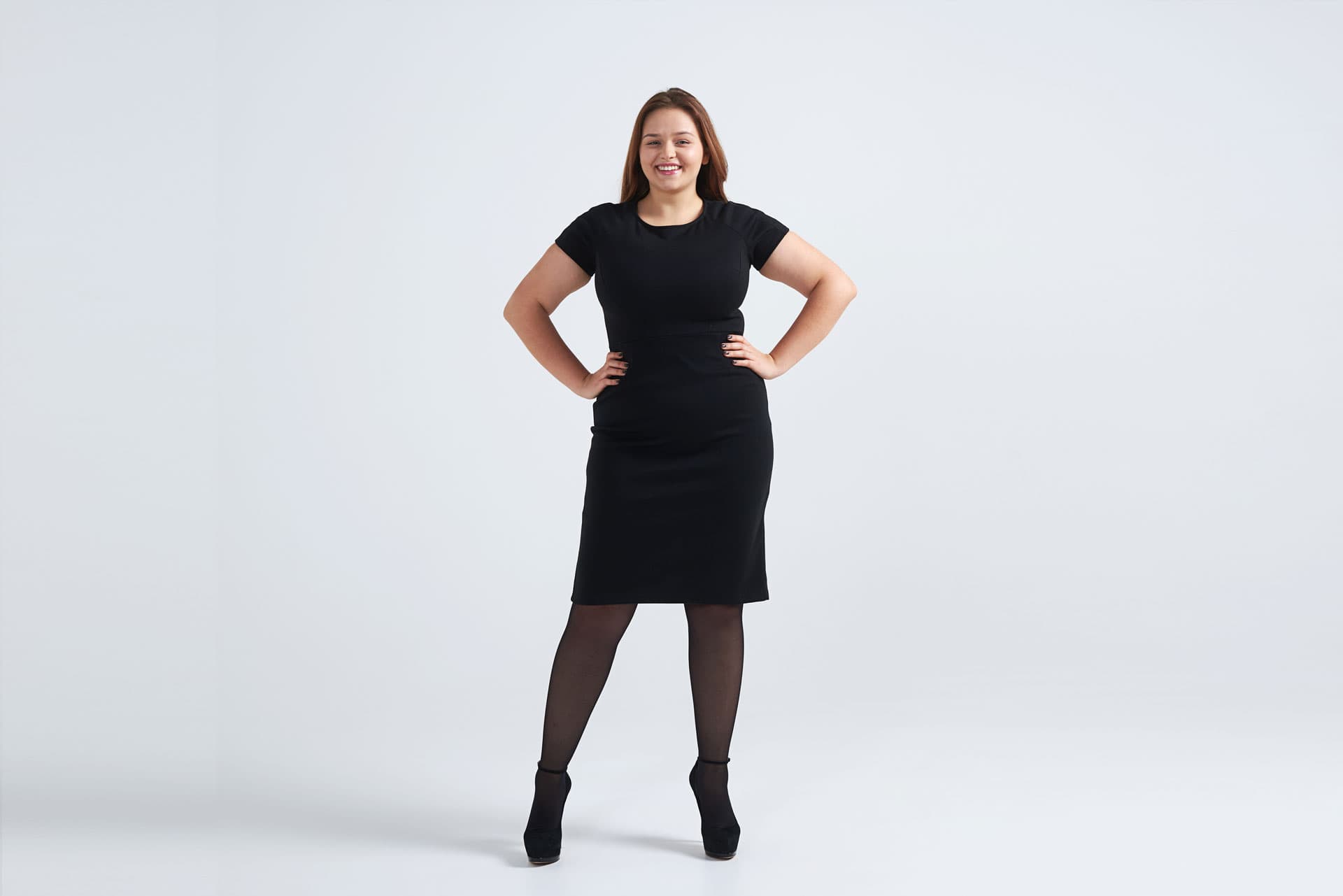
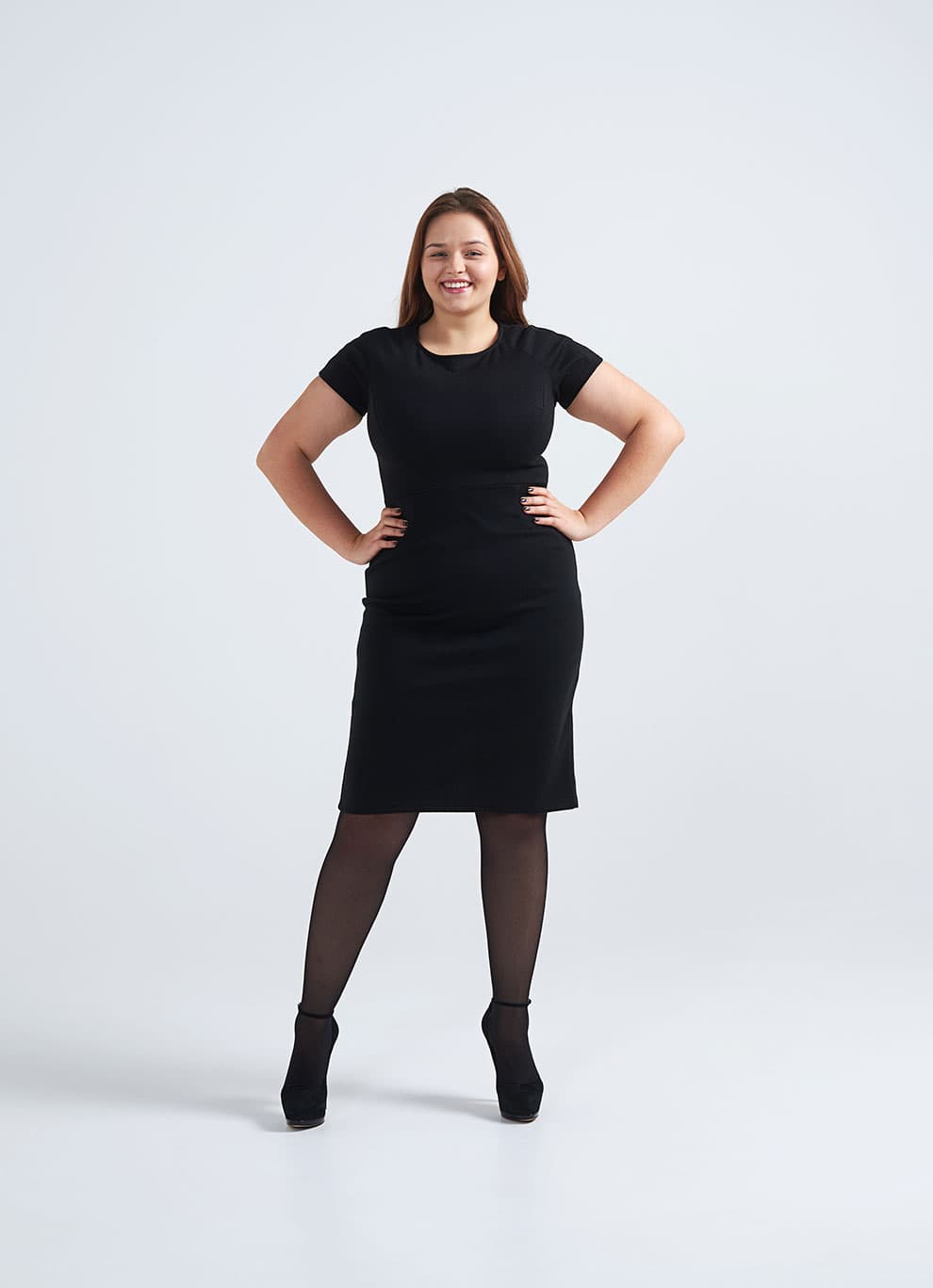
- Hands and feet are not affected: The fat distribution ends clearly at the ankles and wrists, which leads to a disproportionate appearance (often a slim upper body with a strong lower body).
- Hormonal connection: The onset often occurs during puberty, after pregnancy or during the menopause.
Lipedema: recognize, understand and treat effectively
Do you suffer from uneven fat distribution that shows on your legs and arms? Do you feel that your legs or arms are disproportionately fat compared to the rest of your body? Do you constantly have heavy legs and feel like a sack of potatoes is hanging on you? Are the fat pads sensitive to pressure and painful? Then lipoedema of the legs or arms could be the cause.
As a leading lipedema specialist clinic, we at LipoClinic Dr. Heck specialize in the clarification and treatment of this pathological fat distribution disorder. Our holistic therapeutic approach aims to alleviate your symptoms and improve your quality of life in the long term. Below you can find out more about lipedema, its causes, symptoms and the treatment options available to you.
Contents:
- What is lipedema?
- What are the causes of lipoedema?
- What are the symptoms of lipoedema?
- Lipedema stages: progression and symptoms
- Lipoedema on the legs: how it shows!
- Diagnosis and treatment options for lipedema
- Test: Could it be lipedema?
- We treat your lipedema at LipoClinic Dr. Heck!
- FAQ - Frequently asked questions about lipoedema
What is lipedema?
Lipoedema is a pathological fat distribution disorder that causes pain and tightness in the arms and legs and mainly affects women. A symmetrical increase in subcutaneous fatty tissue on the legs, buttocks and arms is typical, while the upper body appears slim in comparison and the feet are left out. The fat pads are painful to the touch and tend to bruise even with slight bumps. In the beginning, there is often only a pronounced feeling of heaviness.
Lipoedema is not just a cosmetic problem, but a serious condition that can have a major impact on daily life. Those affected struggle with physical pain and limitations as well as psychological stress due to misunderstandings and prejudices in society.
Lipedema at a glance:
| Category | Information |
|---|---|
|
Definition |
Chronic fat distribution disorder, especially in women |
|
Affected regions |
Symmetrical fat deposits on the legs and/or arms |
|
Typical symptoms |
Pain, swelling, tenderness, feeling of tension |
|
Diagnosis |
Clinical test supports the determination |
|
treatment |
Conservative: compression, lymphatic drainage, exercise Surgical: liposuction depending on requirements and stage |
|
Course |
Chronic and progressive → early diagnosis is crucial |
What are the causes of lipoedema?
The exact causes of lipoedema are not yet fully understood. Medical and research experts currently assume that it develops as a result of hormonal changes such as puberty, pregnancy or the menopause.
One thing is certain: Lipoedema is not the result of a poor diet or lack of exercise. Affected women cannot reduce their fat deposits by dieting or exercising. However, obesity and lipoedema can occur simultaneously and reinforce each other. The realization that lipoedema is caused by hormonal changes and genetic predisposition can be relieving for those affected. It makes it clear that they are not to blame for their condition and cannot help themselves through lifestyle changes alone.
What are the symptoms of lipoedema?
The symptoms of lipoedema are varied and can change over the course of the disease and fluctuate in intensity. Externally, the changes are most noticeable on the legs and arms, which occur symmetrically and disproportionately. The affected areas are painful to the touch and tend to bruise.
This leads to swelling, a feeling of heaviness and tension pain. Joint pain, changes in posture and difficulty walking due to fat distribution are also typical.
For many women, lipoedema not only means physical pain, but also emotional pain. The visible changes to the body can significantly affect self-confidence and lead to social withdrawal. The constant fatigue and pain make it difficult to cope with everyday life as usual. Therefore, in addition to considering concomitant and secondary diseases should also always take a look at the psyche should always follow.
Lipedema stages: progression and symptoms
The classification of lipoedema into stages serves todescribe of the course and morphological characteristics, whereby the previously common subdivision into stage I to III is no longer recommended as a measure of the severity of the disease. It is mainly based on the silhouette and not on the actual symptoms of those affected. Nevertheless, this classification should continue to be used, as it is used in the ICD coding and the G-BA guidelines guidelines.
Lipedema stage 1
In the first stage, there are usually only mild symptoms:
-
Minor swelling of the arms and legs
-
Uneven fat distribution
-
Smooth skin surface, but the subcutaneous tissue is already thickened
-
Fine-knotted fat structure
-
Slight dents (cellulite)
Lipedema stage 2
From this stage onwards, the symptoms become more pronounced:
-
Fatty tissue becomes coarser
-
Skin shows more pronounced dents
-
Swelling increases
-
Affected areas are increasingly sensitive to pressure and touch
lipedema stage 3
In the third stage, lipedema is very pronounced:
-
Significant swelling and changes in the fatty tissue
-
Tissue is hardened
-
Severe dents in the skin
-
Pain occurs more frequently, mobility may be restricted
-
Tendency to bruising (hematomas)
Early diagnosis and targeted therapy can slow down the progression of the disease, alleviate symptoms and significantly improve the quality of life of those affected.
Lipoedema on the legs: how it shows!
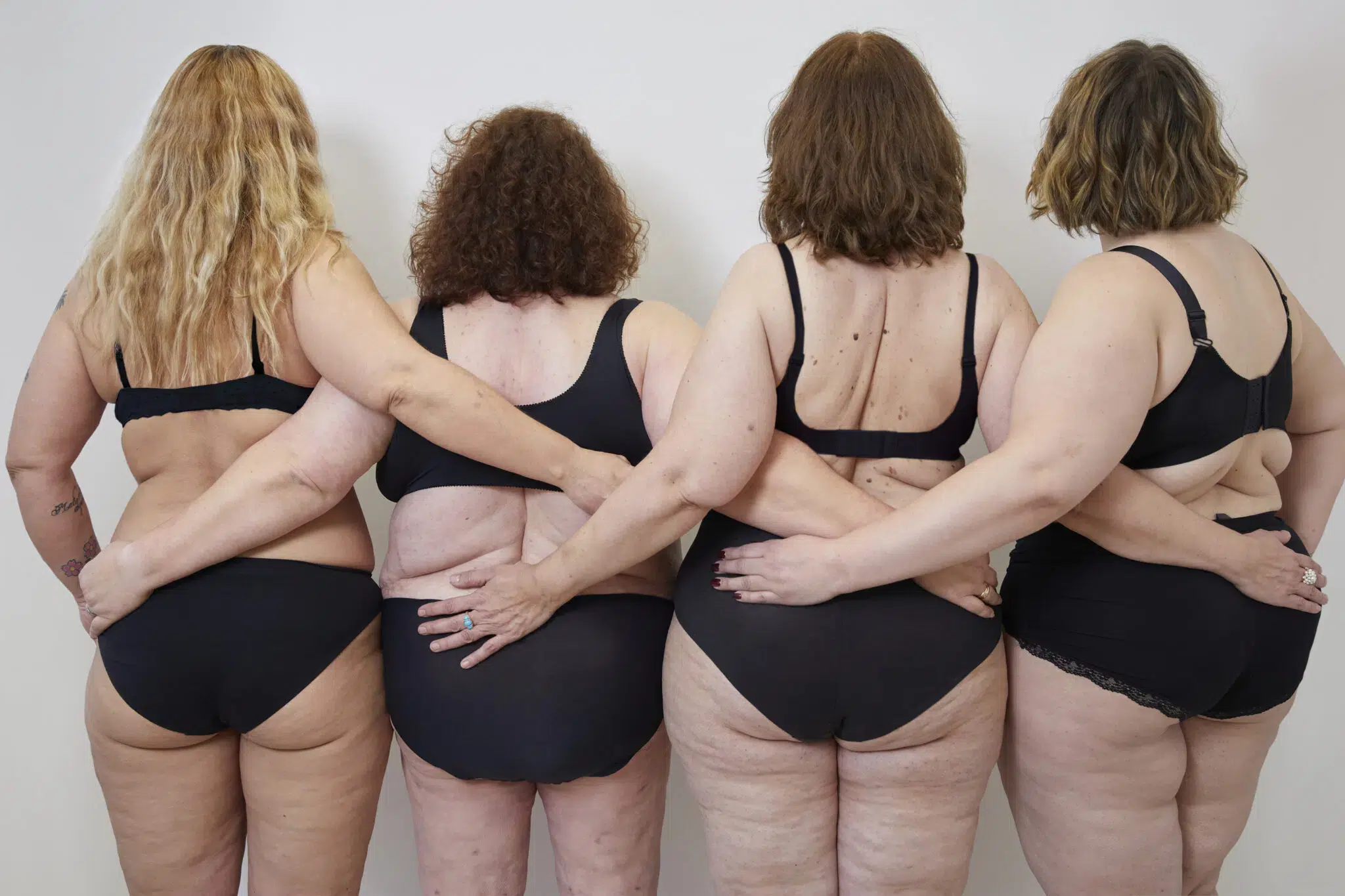
In lipoedema, fat deposits accumulate on the legs. legsespecially on the thighs and lower legs, which makes the legs appear thicker than the upper body. Also typical are bruiseswhich can occur even with slight pressure. The appearance often leads to a feeling of heaviness and a disproportionate body shape.
The appearance of the legs with lipoedema:
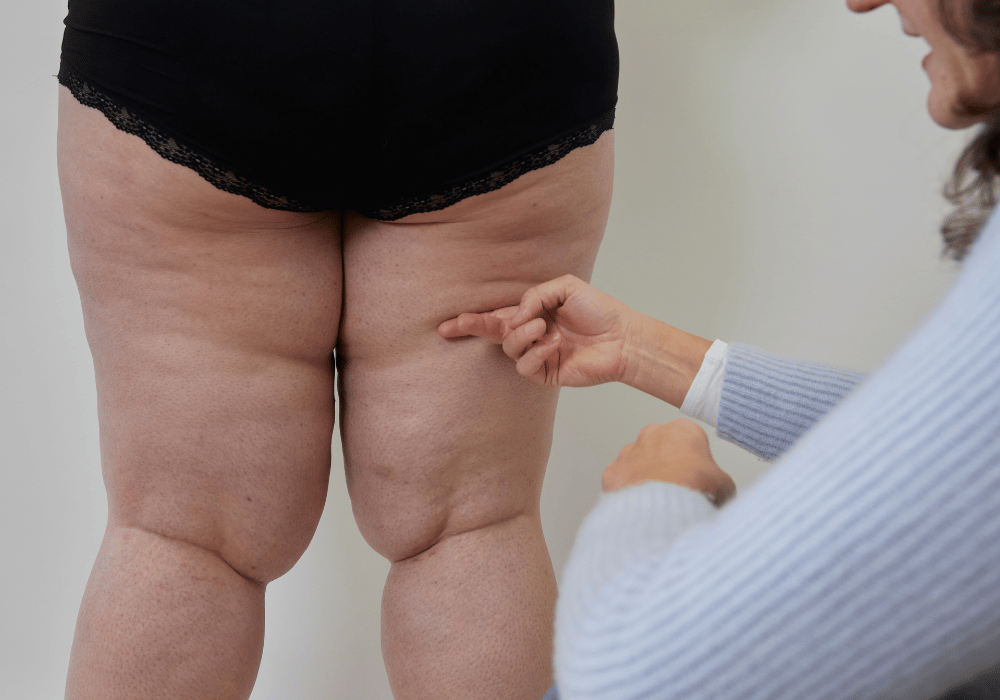
The picture shows typical features of lipoedema on the legs, with conspicuous fat deposits that are often associated with this condition.
Diagnosis and treatment options for lipedema
At LipoClinic Dr. Heck, we understand that every woman is unique and therefore requires individually tailored treatment. Under the direction of Dr. Heck, we have developed innovative, scientifically based treatment methods that have proven themselves in practice. Our approaches include:
Surgical treatments: Specially designed surgical techniques aimed at removing excess fatty tissue and minimizing discomfort.
Conservative therapies: Compression therapy, manual lymphatic drainage and physical therapy are crucial to relieving symptoms and slowing the progression of the disease.
Aftercare and lifestyle changes: We emphasize the importance of a balanced diet, regular exercise and psychological support as part of the holistic treatment approach.
The lipoedema treatment is multi-faceted and aims to both alleviate the symptoms and improve the quality of life of those affected in the long term. It is important that each treatment strategy is customized to meet the specific needs and circumstances of each woman.
Surgical treatments
The liposuctionalso known as liposuction, is a special surgical technique that offers considerable relief to many women with lipoedema. This procedure aims to specifically remove abnormal excess fatty tissue. Liposuction of the painful fat deposits can significantly increase mobility, reduce pressure on the joints and improve general well-being. As fat is often resistant to diet and exercise, liposuction is the only sustainable treatment. Only liposuction can reduce the pathologically increased number of fat cells back to a normal level.
For many patients, liposuction is a turning point: they can finally return to activities they were previously unable to do and feel a significant reduction in pain.
Conservative therapies
These non-invasive treatments are essential components of the treatment plan. They include compression therapy to decongest the tissue, manual lymphatic drainage to support lymphatic function and physical therapies to strengthen the muscles and improve mobility.
These therapies not only relieve pain, but are also an important step towards improving quality of life and leading a more active life.
Sensible diet
A balanced lipoedema diet and regular physical activity are key to controlling weight and improving wellbeing. Psychological support can also be helpful in coping with the emotional stress that can be associated with lipoedema.
A diet tailored to your metabolism can help to reduce inflammation in the body and improve your general well-being. In addition, sharing experiences with other sufferers and professional support can help you to cope better with everyday life and promote a positive body image.
It is important to emphasize that there is no such thing as THE lipoedema diet. Rather, it is a combination of different diets and the avoidance of industrial sugar.
Sport and exercise
Regular exercise is important despite the restrictions caused by lipoedema. Suitable sports such as swimming, cycling or gentle gymnastics can help to maintain mobility and increase general well-being. It is important to find a sport that is fun and does not put additional strain on the body. However, in order to reduce weight in a targeted manner, intensive sporting activity is often required, which you first have to get used to.
Test: Could it be lipedema?
A clear diagnosis of lipoedema is always made by a doctor, based on a detailed consultation and a physical examination. Imaging procedures that can reliably detect lipoedema do not yet exist. The condition is therefore often overlooked for a long time or misinterpreted as obesity. An important distinguishing feature: people with lipoedema lose little or no weight on their legs and, depending on the stage, also on their arms, despite dieting or exercise.
Simple tests can also provide initial indications. If no dent remains when the affected tissue is pressed in, this tends to indicate lipoedema. The so-called pinch test can also help: If pinching on the outside of the thighs is significantly more painful than on the inside, this can also be an indication of lipoedema, as it is normally the other way around.
If you would like more clarity, you can use our lipoedema self-test which provides initial indications but does not replace a medical diagnosis.
We treat your lipedema at LipoClinic Dr. Heck!
Lipoedema manifests itself in many different forms and symptoms, which can vary greatly. Therefore, each case requires a careful lipoedema diagnosis by a specialist in order to determine the most suitable therapeutic measures. This includes a detailed medical history, a thorough physical examination and an individual consultation.
As the world’s leading clinic in the diagnosis and surgical treatment of lipoedema, the LipoClinic is dedicated to the intensive research and treatment of this disease. Our specialized physicians guarantee safe and effective long-term treatment based on clinically proven and scientifically documented standards. Our holistic approach ensures that you not only feel better physically, but also psychologically. We support you in leading a pain-reduced and active life.
At the LipoClinic, you will not only find medical experts, but also a team that will listen to you and support you every step of the way. A versatile team of surgical experts treat lipoedema patients according to a treatment protocol developed over many years. This enables us to guarantee consistently high quality treatment results.
In a personal consultation, we will inform you in detail about the possibilities of liposuction and create an individual treatment plan for you.
Would you like to know more about our approach to register for one of the LipoTalks or register for one of our events? Then simply contact us now contact to us now!
Dr. Falk-Christian Heck on the standards of lipoedema treatment and what are the benefits of surgery? The four decisive reasons in favor of surgery.
FAQ - Frequently asked questions about lipoedema
What is lipedema?
Lipoedema is a chronic, progressive and painful fat distribution disorder that almost exclusively affects women. Typical symptoms are symmetrical fat deposits on the legs and/or arms, accompanied by pain, tenderness and an increased tendency to bruising.
What drains the body in the case of lipoedema?
Complex physical decongestive therapy (CDT) is one of the central measures for lipoedema. It consists of manual lymphatic drainage, compression and exercise. The following measures can also help to drain the body: Low-salt diet, sufficient fluids, herbal teas and gentle exercise.
Which vitamin is missing in lipedema?
Whether lipoedema patients suffer more from certain vitamin deficiencies has not yet been conclusively clarified scientifically.
A study from May 2024 shows that many patients had low vitamin D levels preoperatively. A further decline was observed after liposuction. Nevertheless, these results do not allow a general statement to be made about all those affected.
A vitamin B12 deficiency can also occur; this should also be clarified individually by a doctor.
What should you avoid if you have lipoedema?
The following applies to sports: anything that is good for you and does not cause pain is permitted – including jogging or moderate strength training. It is important that existing complaints such as joint problems are taken into account. Exercise should always be individually adapted. There are also no rigid dietary guidelines when it comes to nutrition. A balanced, nutritious diet with vegetables, protein and little sugar is recommended.
How can I test myself to see if I have lipedema?
A self-test can provide initial indications, but does not replace a medical diagnosis. If you only notice dents on your thighs or bottom, without pain or swelling, it is probably cellulite. With lipoedema, on the other hand, there are usually additional symptoms: feelings of tension, pressure pain, heavy legs and an increased tendency to bruise.
What role does connective tissue play in lipoedema and cellulite?
Cellulite is caused by weak connective tissue that allows fat cells to pass through to the outside. In lipoedema, the connective tissue is under additional strain due to the pathological increase in fat, which can lead to pressure pain and an altered skin structure.
FAQ - Frequently asked questions about lipoedema
What drains the body in the case of lipoedema?
Complex physical decongestive therapy (CDT) is one of the central measures for lipoedema. It consists of manual lymphatic drainage, compression and exercise.
The following measures can help:
- Low salt diet
- Sufficient fluids (at least 2 liters a day, ideally water)
- Herbal teas, e.g. nettle tea, but only in moderation (max. 1-2 cups/day), especially after an operation, to prevent excessive fluid loss.
- Gentle exercise, e.g. aqua fitness, especially after complete wound healing following an operation, exercise in water is ideal and is well tolerated.
Which vitamin is missing in lipedema?
Whether lipoedema patients suffer more from certain vitamin deficiencies has not yet been conclusively clarified scientifically.
A study from May 2024 shows that many patients had low vitamin D levels preoperatively. A further decline was observed after liposuction. Nevertheless, these results do not allow a general statement to be made about all those affected.
➡️ Our tip: Have your vitamin D level checked by your doctor before you think about taking it, especially now in the darker months of the year. Vitamin D plays a role in the immune system and can have an anti-inflammatory effect.
A vitamin B12 deficiency can also occur; this should also be clarified individually by a doctor.
What should you avoid if you have lipoedema?
As far as sport is concerned, we believe that any sport that is good for you and does not cause pain is permitted, including jogging or strength training. If you already have secondary diseases such as joint problems, the load should be adjusted individually.
The same applies to nutrition: there is no one right diet. It is important to eat a balanced, nutritious diet with plenty of vegetables, fiber and high-quality protein. Lean meat such as poultry is well suited, and dairy products can also be consumed, although individual nutritional advice can help to identify personal intolerances.
How can I test myself to see if I have lipedema?
A self-test can provide initial indications, but does not replace a medical diagnosis. If you only notice dents on your thighs or bottom, without pain or swelling, it is probably cellulite. With lipoedema, on the other hand, there are usually additional symptoms: feelings of tension, pressure pain, heavy legs and an increased tendency to bruise.
What role does connective tissue play in lipoedema and cellulite?
Cellulite is caused by weak connective tissue that allows fat cells to pass through to the outside. In the case of lipoedema, the connective tissue is under additional strain due to the abnormal increase in fat, which can lead to pressure pain and an altered skin structure.
G-BA: LIPLEG – Liposuction for lipedema in stages I, II or III. Open source
Reviewed by Dr. med. Thomas Witte
Dr. Thomas Witte is Medical Director of LipoClinic Dr. Heck and a specialist in plastic and aesthetic surgery. With decades of surgical experience and a deep understanding of the individual needs of lipoedema patients, he is one of the leading experts in this field. His focus is on holistic, safe and empathetic care – always with the aim of restoring quality of life.

Dr. med. Thomas Witte
Medical Director
Specialist in plastic and aesthetic surgery
Specialist in surgery and hand surgeon